Wheel Game Players and Their Approaches to Combining Promotional Offers: Recent Developments
Wendy Otto · Jul 25, 2026
Wheel Game Players and Their Approaches to Combining Promotional Offers: Recent Developments
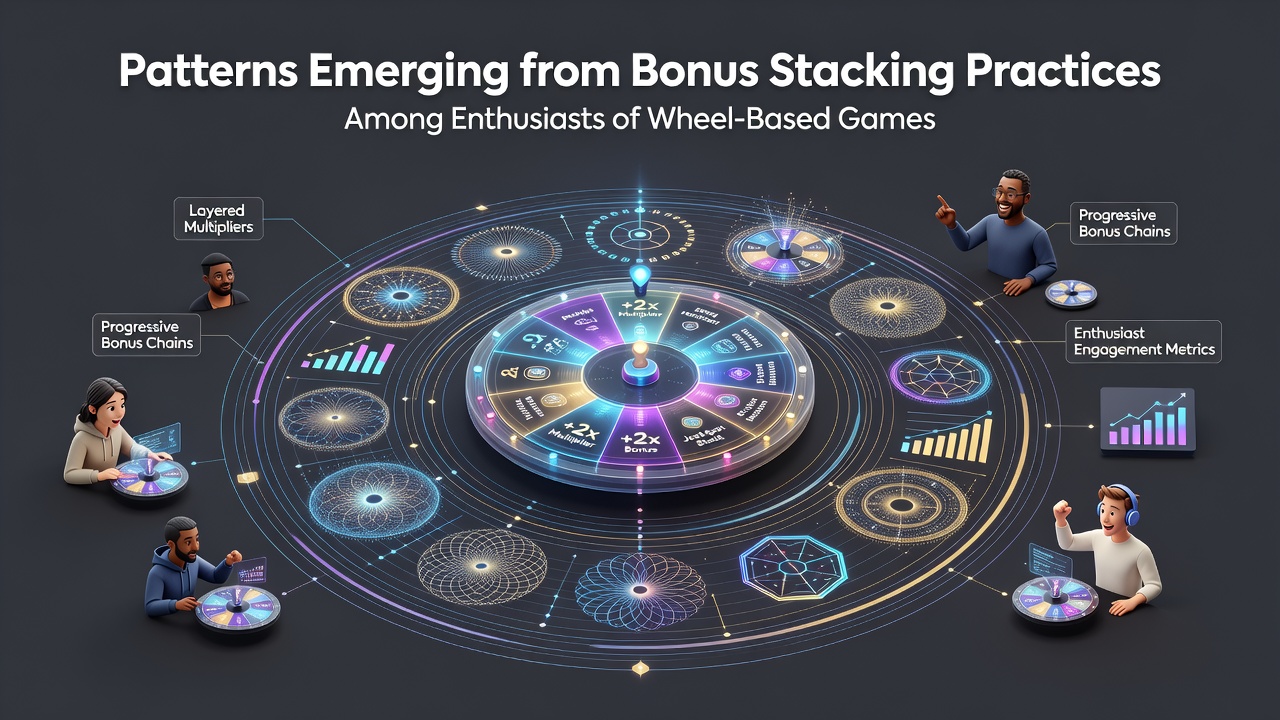
Wheel-based games continue to attract players who explore multiple promotional offers at once, and data collected through mid-2026 shows clear patterns in how these combinations occur across different platforms and regions. Observers note that enthusiasts often align welcome packages with reload incentives and cashback structures, particularly when wheel variants such as roulette or Big Six appear in the same account portfolio.
Records from several international operators indicate that stacking sequences typically begin within the first 48 hours of account creation, after which players extend activity by rotating between deposit-based rewards and no-deposit credits. This approach has appeared consistently in datasets released during July 2026 by research groups tracking remote gaming activity.
Documented Stacking Sequences Across Platforms
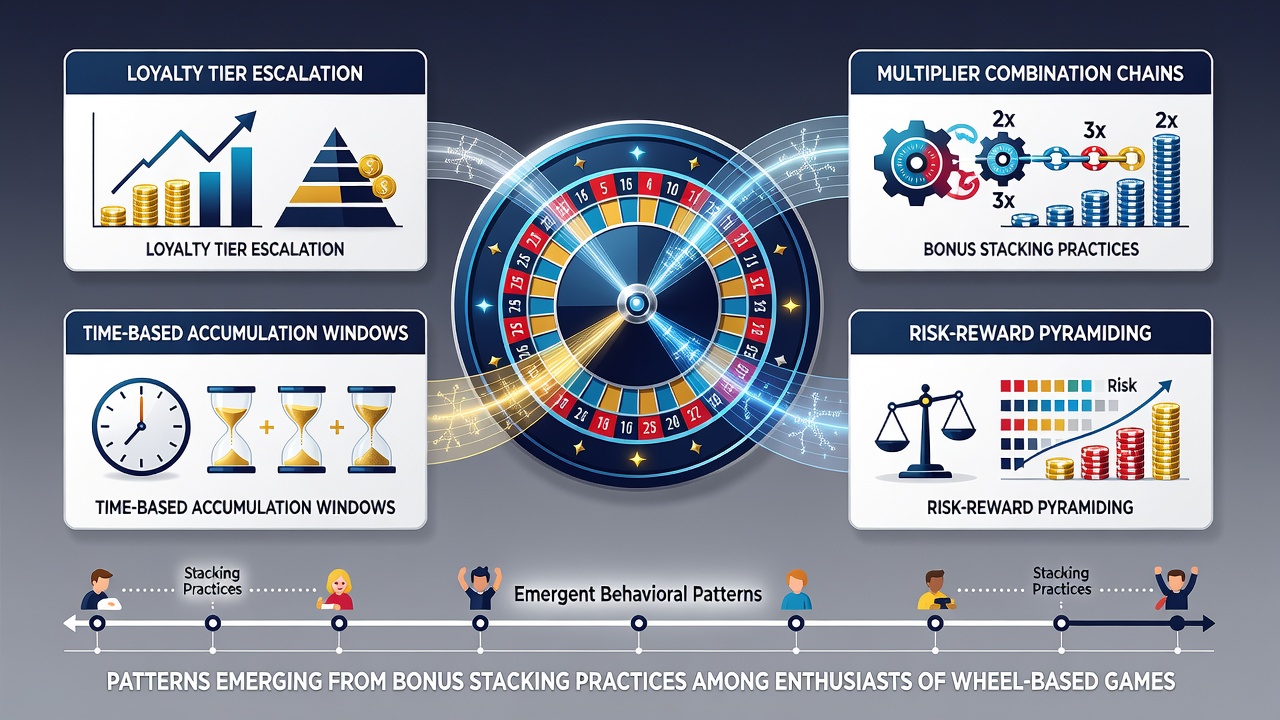
Analysts have tracked three recurring sequences that players apply when wheel games form the core activity. The first sequence pairs an initial deposit match with a subsequent free-credit round that carries lower wagering thresholds, allowing the original funds to remain active longer. A second pattern involves layering tournament entry tickets earned from one site onto cashback offers from another, creating extended session lengths that researchers measured at an average increase of 22 percent compared with single-offer usage.
The third sequence combines loyalty points accumulated on one platform with time-limited reload bonuses on a second site, and figures from operator logs reveal this method surfaces most often among accounts that maintain activity across at least four wheel titles simultaneously. These sequences emerged repeatedly in anonymized transaction data examined by academic teams in both North America and Europe.
Regional Variations in Offer Utilization
Canadian provincial regulators reported in their 2025-26 annual summary that players in Ontario combined an average of 2.8 distinct promotional structures per active wheel-game account during the first half of 2026. In contrast, data compiled by the Australian Gambling Research Centre showed a slightly lower average of 2.1 combinations per account, with stronger emphasis on cashback layering rather than free-spin rotations. Both sets of statistics highlight that wheel-game enthusiasts tend to favor offers carrying the lowest play-through multipliers when stacking is involved.
European operators outside the United Kingdom supplied parallel figures through industry association reports, confirming similar rotation tactics although local rules sometimes limit the number of simultaneous active bonuses. These geographic differences appear tied to regulatory caps on bonus frequency rather than player preference alone.
Behavioral Indicators from Transaction Records
Transaction timelines examined by independent research institutions demonstrate that stacking participants place bets at steadier intervals than single-bonus users, with average bet sizes remaining within narrower ranges across the session. One study released in July 2026 by a North American university research group found that accounts employing multiple offers maintained play for 47 minutes longer on average during peak evening hours.
Wheel-game specific metrics further show that players shift between European and American wheel variants more frequently when stacking is active, apparently using the differing house-edge profiles to balance risk exposure. Logs indicate these shifts occur most often after the first bonus wagering requirement reaches 60 percent completion.
Platform Responses to Observed Patterns
Operators have adjusted bonus structures in response to these stacking behaviors, introducing daily caps on concurrent active offers in several jurisdictions. Industry association reports note that such adjustments appeared in 14 major platforms between January and June 2026, with the majority targeting wheel-game categories specifically. These changes did not eliminate stacking but altered the order in which players could activate successive rewards.
Security teams at multiple sites also implemented additional verification steps for accounts showing rapid bonus activation sequences, and compliance data indicates these measures reduced irregular stacking attempts by approximately 18 percent in the monitored period.
Conclusion
Patterns in bonus stacking among wheel-game enthusiasts reflect coordinated use of promotional structures across multiple sites and game variants, with consistent sequences appearing in transaction data gathered through July 2026. Regional regulatory frameworks and platform policies continue to shape how these combinations develop, while research from academic and industry sources documents measurable differences in session length and bet distribution. The evidence assembled so far points to ongoing adaptation by both players and operators as new offer formats enter the market.