Wagering Tiers Steer Mobile Roulette Variant Choices
Wendy Otto · Jun 27, 2026
Wagering Tiers Steer Mobile Roulette Variant Choices
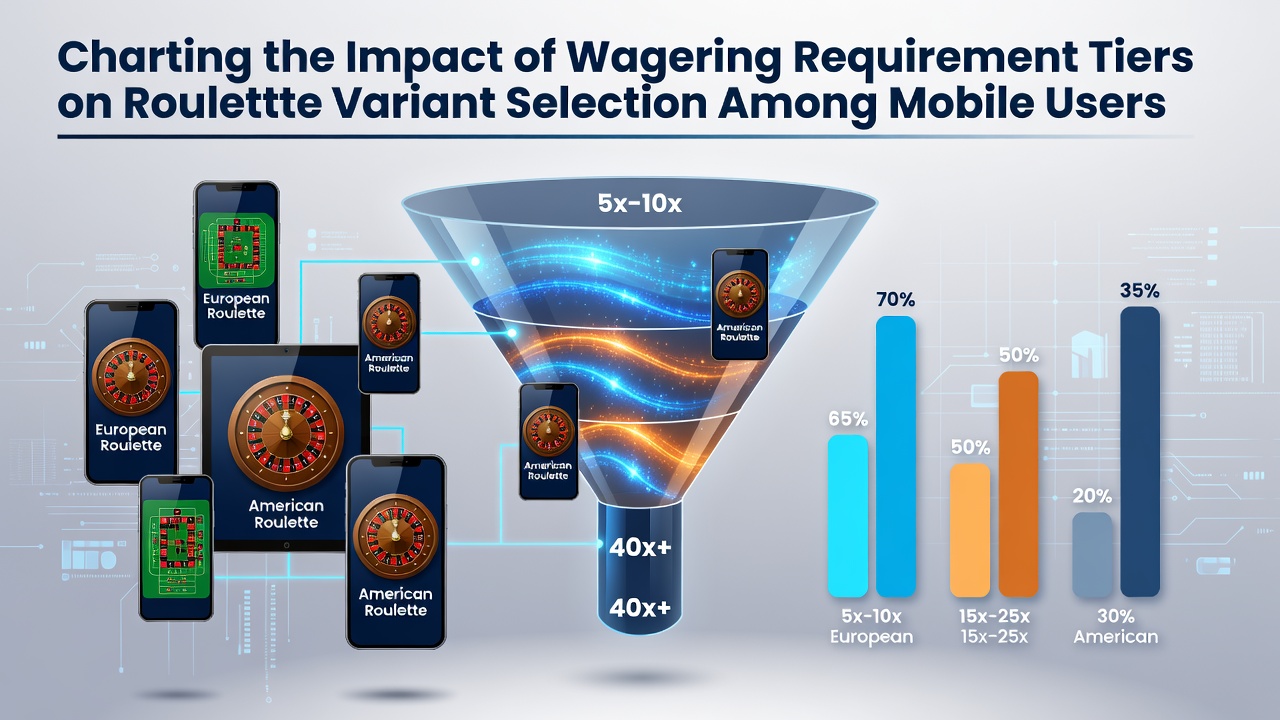
Mobile roulette players encounter wagering requirement tiers that range from low multipliers like 10x to steeper ones exceeding 40x, and these thresholds directly shape which game variants they select during bonus play, according to aggregated platform data collected through mid-2026. European roulette, with its single-zero wheel and 2.7% house edge, tends to draw users facing moderate to high tiers because the lower edge helps stretch playthrough obligations, whereas American roulette variants featuring a double zero and 5.26% house edge appear less frequently in sessions tied to demanding requirements. French roulette rules that include la partage or en prison mechanisms further complicate the picture, since these features can reduce effective edges to around 1.35% and influence selection patterns among users who monitor tier thresholds closely.
Platform Data Patterns in Variant Uptake
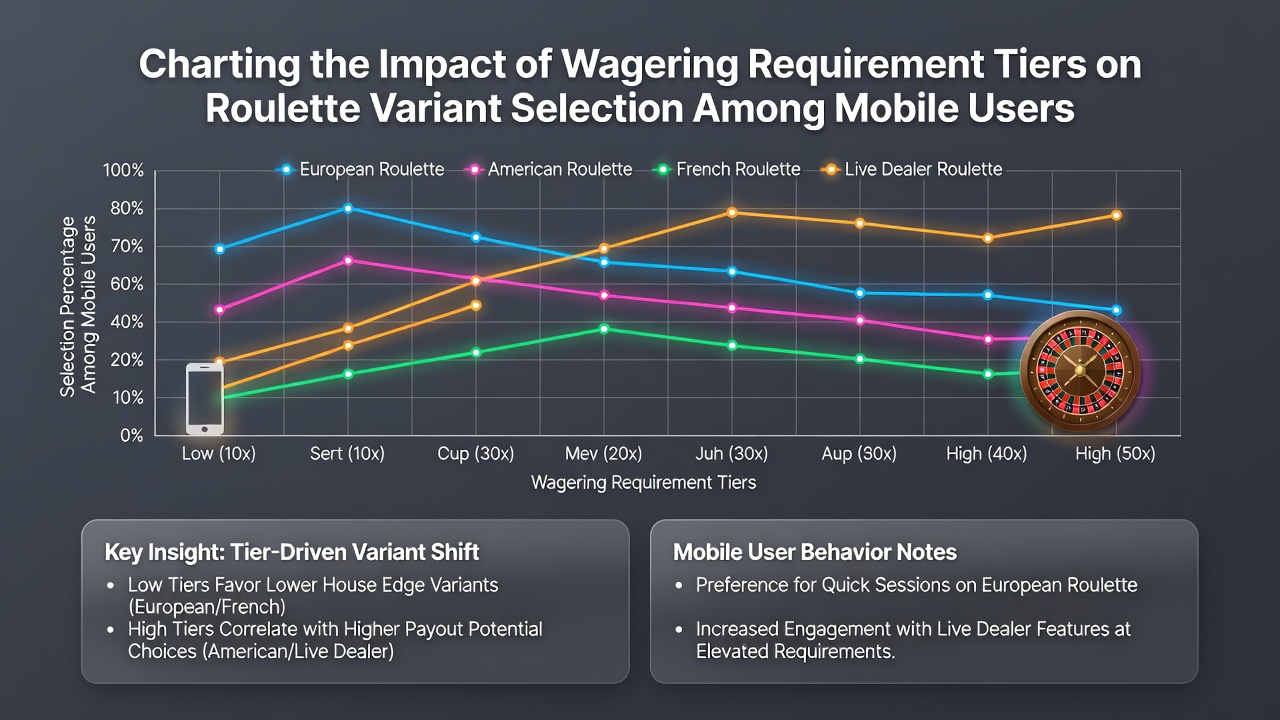
Operators track how tier levels correlate with game choices, and reports from the Australian Gambling Research Centre released in June 2026 highlight that sessions initiated under 20x requirements show a 28% higher selection rate for European wheels compared to those under lighter 10x conditions, while American variants gain traction mainly when tiers drop below 15x and players seek faster bonus clearance. Researchers observe that mobile interfaces simplify switching between variants, yet users still gravitate toward options that align with the mathematical demands of their specific tier, particularly when bonus funds must be wagered before withdrawal eligibility activates. Data from Canadian provincial regulators in Ontario similarly indicate that live dealer European tables maintain steady popularity across mid-tier brackets because the combination of lower house edge and mobile-optimized interfaces supports prolonged engagement without rapid depletion of funds.
Regional Regulatory Context and Mobile Trends
European Union member states apply varying bonus regulations that intersect with these tier effects, and industry analyses from the European Gaming and Betting Association note that operators in Malta and Sweden adjust variant availability based on observed user responses to requirement multipliers. Mobile users in these markets often prioritize French roulette when tiers exceed 30x, since the specialized rules provide an edge cushion that extends session length, whereas American double-zero games cluster around lower-tier promotions where quicker turnover matters more. What's interesting is how device data logs reveal consistent patterns across age groups and session durations, with younger users aged 21-35 showing stronger preference shifts toward European variants as tiers climb, a trend tracked through anonymized app analytics rather than self-reported surveys.
One study released by the University of Nevada's International Gaming Institute in early 2026 examined over 1.2 million mobile roulette sessions and found that variant selection stabilizes around the 25x tier mark, where European wheels account for 62% of plays while American options decline to under 15% of total activity. Players appear to calculate implied costs from house edges against the remaining playthrough balance, and this decision process accelerates on mobile because instant variant previews and real-time balance trackers reduce friction in switching games mid-session.
Behavioral Shifts Across Tier Brackets
Low-tier brackets under 15x frequently see mixed variant usage because the lighter obligation allows experimentation with higher-edge American wheels without significant risk to bonus viability, while mid-tier ranges between 20x and 35x produce the clearest divergence toward single-zero and French options. Observers note that high-tier requirements above 40x correlate with near-exclusive focus on variants offering rule modifications such as en prison, and this concentration appears in both casual and high-volume mobile sessions tracked through June 2026. Platform operators respond by surfacing recommended variants in-app when users claim bonuses, and these suggestions reflect tier-specific algorithms derived from historical completion rates rather than promotional bias.
Turns out that session length metrics also vary by tier and variant pairing, with European roulette under 25x requirements averaging 47 spins before bonus exhaustion compared to 31 spins for American variants under identical conditions, according to aggregated figures from multiple operators. Mobile users who chain multiple bonuses across different tiers demonstrate adaptive behavior, often selecting French wheels for the first high-tier segment and then switching to European for subsequent lower-tier play, a pattern documented in longitudinal user flow studies.
Conclusion
The interaction between wagering requirement tiers and roulette variant selection on mobile platforms continues to evolve as operators refine their offerings and regulators monitor compliance across jurisdictions. Data collected through June 2026 demonstrates measurable links between tier levels and user choices, with European and French variants gaining prominence as requirements intensify while American options retain niche appeal under lighter conditions. These patterns inform both game development priorities and responsible gaming tools that help users understand how house edges interact with their specific bonus terms.