Syncing Device Interfaces and Bonus Reloads to Support Single-Zero European Roulette Sessions on UK Platforms
Cameron Keller · Aug 10, 2026
Syncing Device Interfaces and Bonus Reloads to Support Single-Zero European Roulette Sessions on UK Platforms
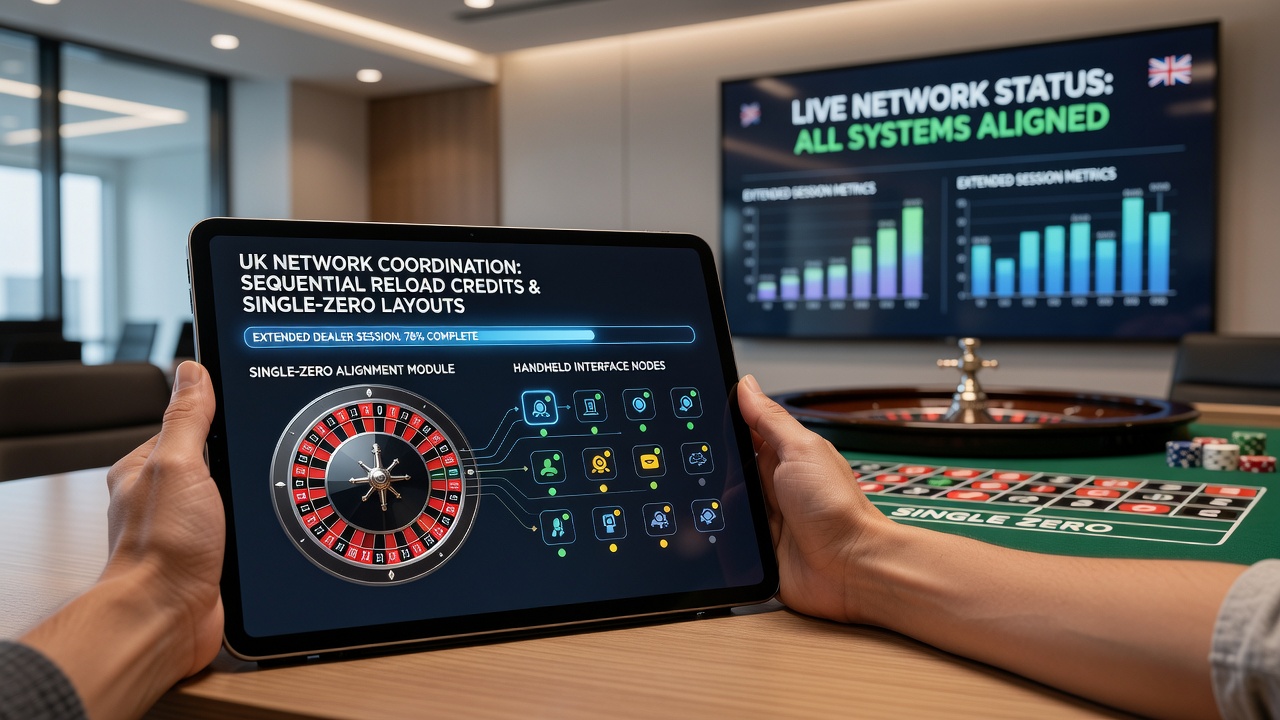
Operators across UK networks have developed systems that coordinate handheld device interfaces with sequential reload credit mechanisms, and these setups align single-zero roulette layouts while supporting extended dealer sessions on live tables. Data from industry reports show that mobile users access European wheel formats more frequently when interfaces update in real time to reflect credit sequences from reload bonuses, and this coordination reduces interruptions during live play.
Interface Design and Credit Sequencing Mechanics
Handheld applications connect directly to operator servers so that reload credits appear in player accounts without requiring separate navigation steps, while single-zero layouts load automatically based on account preferences stored in the system. Researchers at gaming technology firms note that these integrations use API calls to sync bonus data with table displays, and the process allows sessions to continue across multiple dealer shifts without manual intervention from users. In August 2026 several platforms rolled out updated protocols that improved response times for credit applications during peak evening hours, and this change coincided with higher average session durations reported in network analytics.
Sequential reload credits function through timed releases that match dealer rotation schedules, and operators program these releases to trigger interface adjustments on handheld screens so players see updated balances alongside the wheel layout. Observers note that European single-zero configurations benefit from this alignment because the layout remains consistent across devices, and extended dealer sessions maintain continuity when credits refresh automatically at set intervals.
Network-Wide Implementation Across UK Operators
Multiple UK networks employ similar synchronization standards to ensure that handheld interfaces communicate effectively with central bonus management systems, and this approach supports single-zero roulette tables operated by different providers. Industry organizations such as the European Gaming and Betting Association have documented how standardized data exchange formats help maintain layout integrity while credits process sequentially, and these standards reduce discrepancies between mobile displays and live dealer feeds. Players often find that sessions extend further when reload sequences activate without forcing a return to the main menu, and network logs indicate fewer drop-offs during longer play periods.
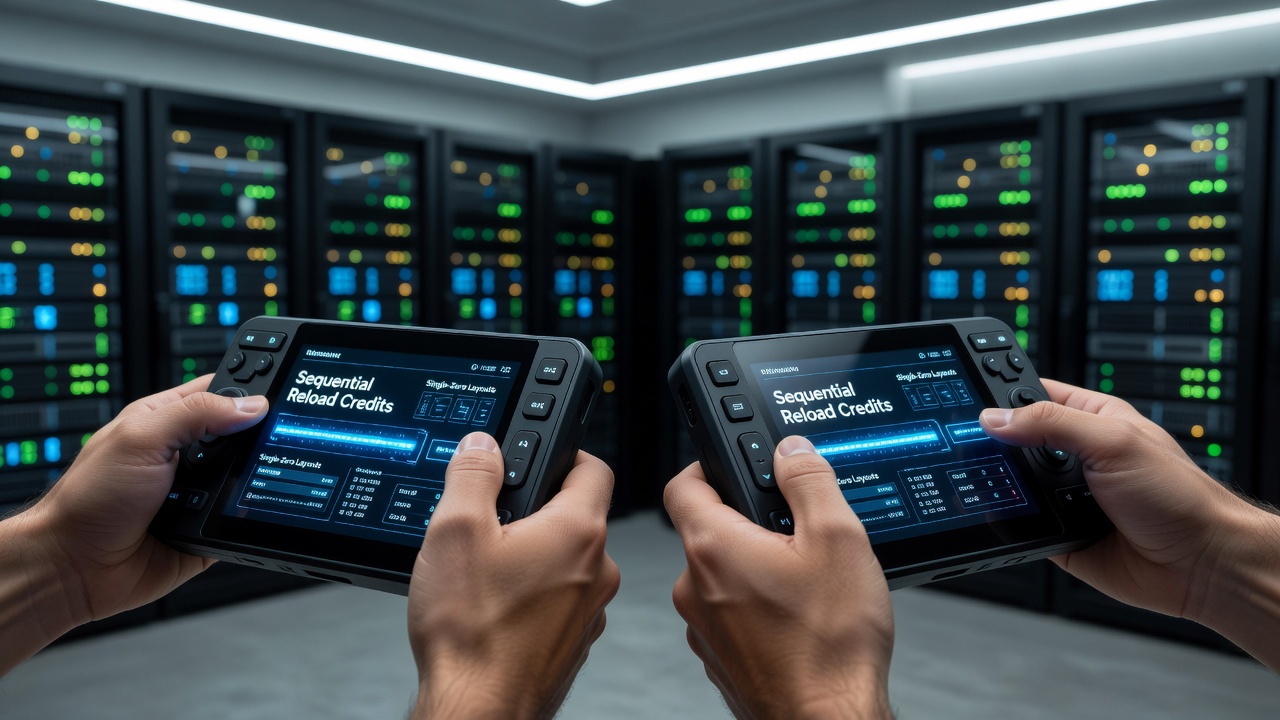
Case studies from technology providers reveal that one major network adjusted its interface timing in early 2026 to better match dealer changeovers, and this adjustment resulted in measurable increases in continuous play metrics across single-zero tables. The changes involved background processes that detect credit availability and apply it to the current session, whereas earlier versions required explicit confirmation steps that interrupted flow. Those who monitor session data across platforms observe that such refinements contribute to stable engagement patterns even when multiple reloads occur within a single evening.
Technical Challenges and Regulatory Context
Developers face challenges when aligning handheld interfaces with credit sequences because network latency can affect how quickly single-zero layouts update after a reload processes, and solutions include local caching of layout elements combined with server-side verification. Government reports from regions outside the UK, including analyses published by the Australian Gambling Research Centre, highlight similar coordination issues in live dealer environments and note that precise timing mechanisms help prevent mismatches between displayed credits and actual account balances. UK networks address these issues through regular protocol audits that verify interface responses during extended sessions, and the audits confirm compliance with broader technical standards for mobile gambling applications.
Extended dealer sessions benefit when reload credits integrate seamlessly because players remain at the same table without switching between screens, and this continuity supports the single-zero format that many networks prioritize for its structural properties. Data indicates that operators who maintain consistent interface behavior across devices report fewer technical support queries related to bonus application during live play, and this pattern holds across different network sizes.
Conclusion
Coordination between handheld interfaces and sequential reload credits continues to evolve as UK networks refine their systems for single-zero layouts and extended dealer sessions, and the technical approaches documented in industry sources provide frameworks that support reliable performance. Updates observed in August 2026 demonstrate ongoing adjustments to timing protocols, while external analyses from varied regulatory regions offer comparative insights into best practices for maintaining alignment across mobile and live dealer environments.