Synchronating Push Notifications with Variant-Specific Roulette Codes on UK Mobile Platforms
Otto Schmidt · Jul 15, 2026
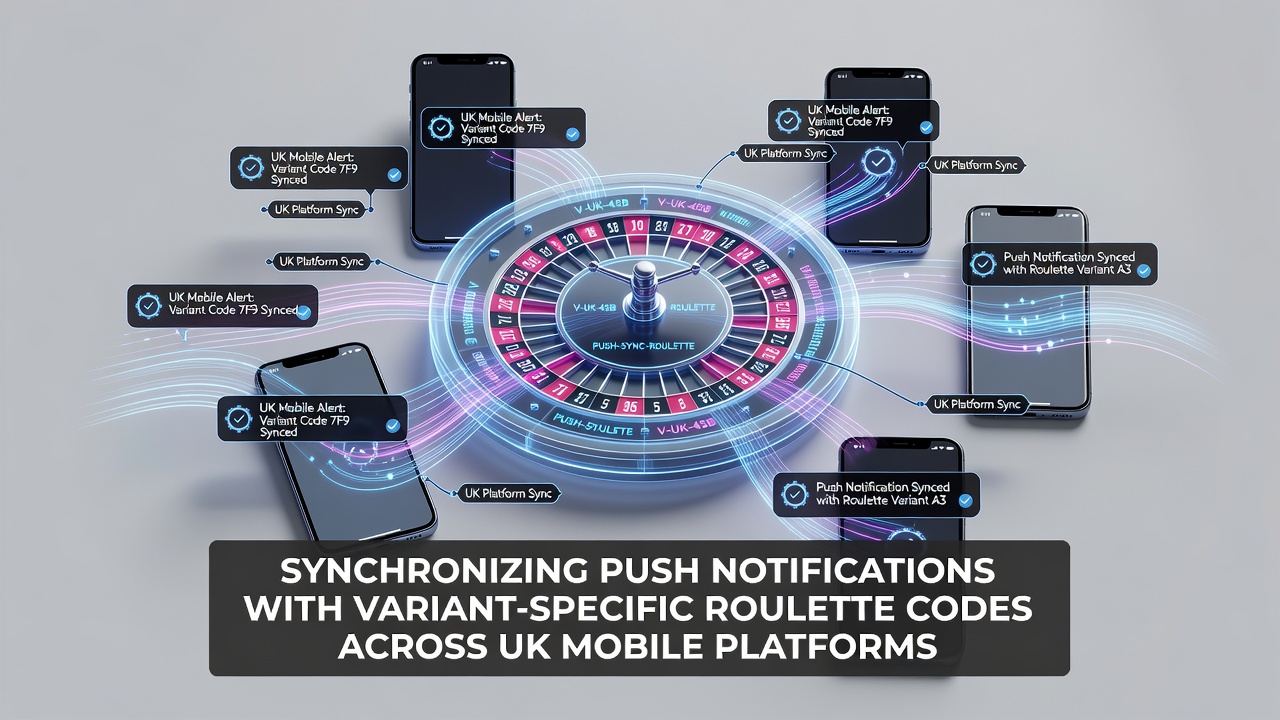
Synchronating Push Notifications with Variant-Specific Roulette Codes on UK Mobile Platforms
UK mobile platforms handle roulette promotions through coordinated systems that link push notifications directly to codes assigned to particular game variants, and developers achieve this by using device-specific APIs alongside backend segmentation tools that distinguish between European, American, and French roulette types. These setups allow operators to deliver targeted alerts containing unique codes without mixing offers across different wheel configurations or betting structures.
Platform Differences in Notification Delivery
Android devices rely on Firebase Cloud Messaging to route variant-specific codes through custom payload structures, whereas iOS applications employ Apple Push Notification service with similar payload fields that carry roulette identifiers and expiration details. Both systems support real-time updates that adjust code validity based on user location within the United Kingdom and current game variant selection, and synchronization occurs when the app registers device tokens against user profiles that store preferred roulette types.
Researchers note that payload size limits require efficient encoding so that variant codes fit alongside notification text and action buttons, and this constraint leads developers to use abbreviated identifiers that map back to full codes stored on secure servers. Data from mobile analytics platforms shows that properly formatted payloads reduce failed deliveries by aligning notification timing with peak user activity periods recorded across UK networks.
Variant Code Structures and Matching Logic
European roulette codes typically incorporate single-zero indicators that trigger notifications only when users have previously engaged with that variant, while American roulette codes include double-zero markers that activate separate alert streams. Matching logic runs on backend servers that cross-reference user session history with code databases, and this process prevents cross-variant leakage where a French roulette code might appear in an American wheel notification.
July 2026 updates to mobile operating systems introduced enhanced payload encryption standards that operators adopted to protect code data during transmission, and these changes required adjustments to synchronization protocols so that variant identifiers remained intact through the encryption layers. Industry reports indicate that UK-based development teams completed these adaptations within weeks of the OS releases, maintaining continuity for ongoing promotion campaigns.
Implementation Across Major UK Operators
Operators segment their user bases according to historical variant preferences before issuing notifications, adn they combine this segmentation with geofencing data that respects United Kingdom regulatory boundaries. The result appears in notification campaigns where a user who last played European roulette receives a code valid only for that variant, while another user focused on American wheels receives a distinct code through the same push channel.
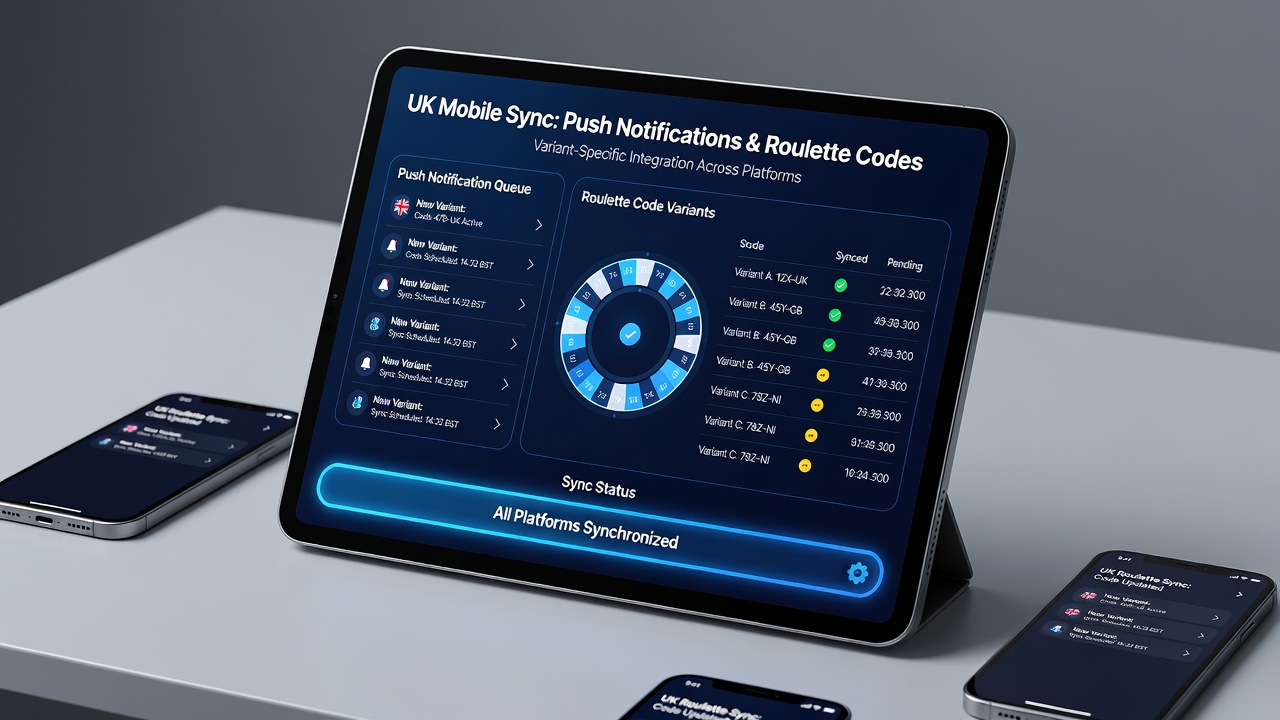
Testing protocols involve simulated user journeys that verify code redemption occurs only after the correct notification arrives, and these tests run across both iOS and Android environments to confirm consistent behavior. Observers note that successful synchronization reduces support tickets related to invalid codes, since users receive offers that match their selected variants from the start.
Technical Synchronization Methods
Developers employ server-side event listeners that detect when a user completes a roulette session and immediately queues a follow-up notification containing the next applicable variant code. Client-side listeners within the mobile app then update local storage to prevent duplicate alerts, and this two-way communication keeps notification states aligned across devices that share the same user account.
According to Apple developer documentation, notification categories allow custom actions that operators map to roulette code redemption flows, while Android documentation outlines similar intent handling that achieves comparable results. These frameworks support the variant-specific routing required for precise code delivery without additional user input.
Database queries that join user preference tables with active code tables execute in milliseconds, and the resulting payloads travel through established push channels to reach devices within seconds of generation. This speed matters during time-limited promotions where code validity windows can be as short as a few hours.
Data Handling and Compliance Considerations
Personal data used for variant matching undergoes processing that complies with applicable privacy regulations, and operators maintain audit logs that record each notification sent alongside the associated roulette code. External audits examine these logs to verify that synchronization processes do not expose codes to unauthorized recipients or cross-contaminate variant categories.
Studies from research institutions such as those affiliated with the University of Nevada gaming technology programs have examined notification effectiveness in mobile gambling environments, and findings highlight the value of precise targeting that matches codes to individual variant histories. UK operators apply similar principles when configuring their own systems.
Conclusion
Synchronization of push notifications with variant-specific roulette codes continues to evolve alongside mobile platform capabilities, and UK operators maintain these systems through regular updates that incorporate new OS features while preserving accurate code delivery. The combination of backend segmentation, payload management, and platform APIs creates reliable pathways that connect the right codes to the right users at appropriate times. Ongoing refinements ensure that these processes remain effective as device ecosystems and promotion requirements change.