Smartphone Roulette Dynamics: Aligning Live Dealer Variations with Strategic Reload Patterns
Otto Schmidt · Jun 22, 2026

Smartphone Roulette Dynamics: Aligning Live Dealer Variations with Strategic Reload Patterns
Live dealer roulette on smartphones introduces measurable variations in wheel spin intervals and table management rhythms that directly affect how players structure their reload sequences during extended sessions. These pace differences arise from dealer training protocols, table occupancy levels, and platform-specific streaming adjustments, while reload optimizations involve timing bonus activations, bet sizing adjustments, and session continuity features available through mobile interfaces.
Dealer Pace Variations in Live Mobile Roulette
Dealers operate under standardized yet flexible timing guidelines that create observable fluctuations across different platforms and time periods. Research from the University of Nevada, Reno shows average spin cycles ranging between 45 and 75 seconds depending on regional regulations and operator policies. These intervals shift when dealers handle higher volumes of players or accommodate technical requirements from mobile streaming services. Observers note that slower paces often coincide with peak hours when verification checks or promotional announcements interrupt standard flow, whereas faster sequences appear during off-peak periods with fewer participants at each table.
Smartphone applications capture these rhythms through built-in timers and session logs that many operators provide. Players access real-time data showing previous spin durations and dealer response rates. This information supports decisions about when to initiate reload sequences that replenish betting credits or activate time-limited bonuses without disrupting ongoing table momentum.
Reload Sequence Optimization Techniques
Reload sequences on mobile devices rely on synchronized timing between bonus availability windows and dealer action cycles. Operators design these sequences around predictable intervals that allow users to maintain consistent bet placement across multiple spins. Data from the Australian Communications and Media Authority indicates mobile gambling sessions average 22 minutes longer when players coordinate reloads with observed dealer patterns rather than fixed schedules.
Optimization occurs through several coordinated steps that include monitoring live feed latency, aligning bonus claim buttons with table resets, and adjusting stake levels based on pace feedback. Applications often include visual cues such as progress bars or countdown overlays that help synchronize these actions. Those who've studied mobile interfaces report improved continuity when reload triggers activate during natural pauses between spins rather than during active wheel rotation.
Connecting Pace Data to Sequence Adjustments
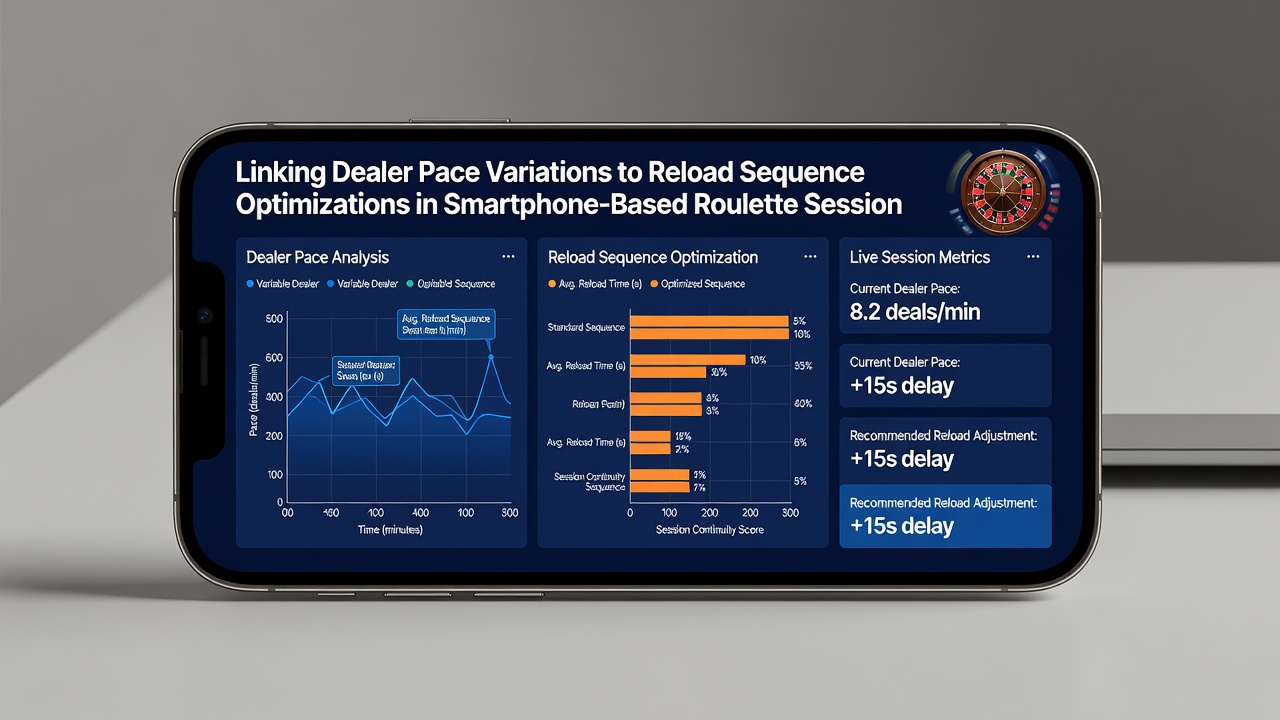
The relationship between dealer pace and reload optimization becomes evident when session analytics reveal correlations between spin duration and successful bonus chaining. Faster dealer cycles allow more frequent reload opportunities within the same timeframe, while slower cycles require extended planning to avoid missing time-sensitive offers. In June 2026 several European operators introduced enhanced analytics dashboards that display historical pace data alongside personalized reload recommendations based on individual session histories.
These systems process inputs from multiple sources including dealer performance metrics, mobile network stability readings, and bonus expiry schedules. Users receive suggested timing adjustments that account for both observed dealer variations and platform-specific constraints. The approach integrates active monitoring with automated prompts that trigger at optimal moments during table play.
Platform Implementation and User Patterns
Mobile roulette platforms implement these connections through backend algorithms that track dealer behavior across thousands of sessions. Patterns emerge showing that certain dealers maintain consistent intervals while others introduce variability based on table conditions. Players who align their reload sequences with these documented behaviors experience fewer interruptions in credit flow and bonus activation.
Industry reports document cases where optimized timing reduced session drop-off rates by coordinating reloads with slower dealer periods. This coordination preserves betting momentum during extended play without requiring constant manual intervention. The data supports continued development of tools that bridge live dealer observations with mobile interface controls.
Conclusion
Linking dealer pace variations to reload sequence optimizations represents a measurable aspect of smartphone-based roulette that combines live streaming characteristics with mobile application features. Available data from academic and regulatory sources demonstrates how timing awareness influences session structure across different platforms. Continued refinement of analytics tools supports more precise coordination between these elements in future mobile environments.