Single-Zero vs Double-Zero Roulette: Bonuses Crafted for European and American Wheels
The Core Differences Between European and American Roulette Wheels
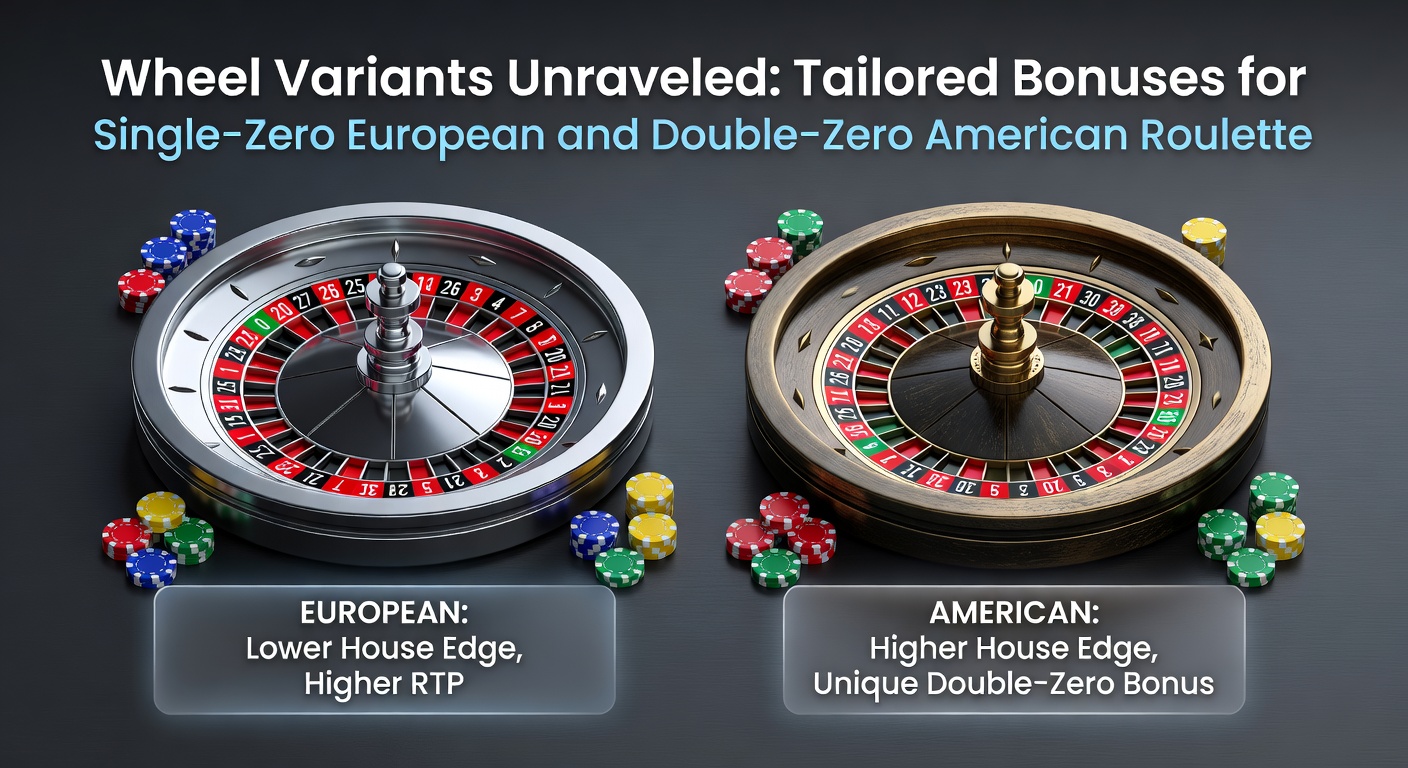
European roulette features a single-zero wheel, complete with 37 pockets numbered from 0 to 36, whereas American roulette adds a double-zero, expanding to 38 pockets with both 0 and 00; this fundamental variation shifts the house edge dramatically, as data from the Nevada Gaming Control Board reveals, showing European games typically hold a 2.7% edge on most bets while American versions climb to 5.26%.
Observers note how the extra 00 pocket in American roulette tilts probabilities against players, since it introduces an additional outcome where the house wins even-money bets like red/black or odd/even; that's where the rubber meets the road for bonus hunters, because casinos tailor promotions to these odds, offering sweeter deals on single-zero tables to attract volume players who stick around longer.
Take one classic example: a player wagering on a dozen in European roulette faces a payout of 2:1 against a true probability of roughly 32.43%, but in American, that drops further due to the double zero, making bonus structures crucial for balancing the scales.
European Single-Zero Roulette: Lean House Edge Meets Bonus Precision
Platforms catering to European single-zero games often roll out deposit matches up to 200% with 35x wagering requirements tailored specifically for low-edge bets like French or even-money wagers; research from the European Gaming and Betting Association indicates these bonuses surged in popularity during early 2026, as operators sought to capitalize on the wheel's inherent fairness.
What's interesting is how free spins or cashback variants sync perfectly with La Partage rules—where half your even-money bet returns on zero—extending playtime without inflating variance; players who've analyzed session logs discover that stacking a 50% reload bonus on single-zero tables yields an effective edge reduction, turning a standard 2.7% house advantage into something more playable over hundreds of spins.
And yet, not all bonuses fit seamlessly; those with high minimum bets on inside lines can backfire, since the single-zero wheel's tighter spreads demand disciplined progression systems like flat betting rather than aggressive doubles.
American Double-Zero Roulette: High-Volatility Wheels and Compensatory Promotions
Double-zero wheels demand heftier incentives, so American-focused sites push no-deposit trials or high-roller rebates reaching 15% on losses, compensating for the 5.26% edge that data consistently flags across jurisdictions; experts who've crunched numbers from recent casino reports observe how these bonuses encourage surrender options on even-money bets, mirroring European fairness in a nod to player retention.
Here's where it gets interesting: March 2026 saw a spike in tailored American wheel bonuses tied to live dealer streams, where operators like those in New Jersey offered 100 free bets post-deposit, aligned precisely with the wheel's five-number bet payout of 6:1—a nod to its higher variance that keeps sessions electric but draining without promo support.
People often find that combining these with D'Alembert adjustments softens the blow, as the double zero's impact lessens over volume play backed by cashback loops; one case study from a Pennsylvania gaming audit highlighted how such bonuses extended average session length by 40%, proving their worth in high-house-edge environments.
How Casinos Tailor Bonuses to Each Wheel's Unique Math
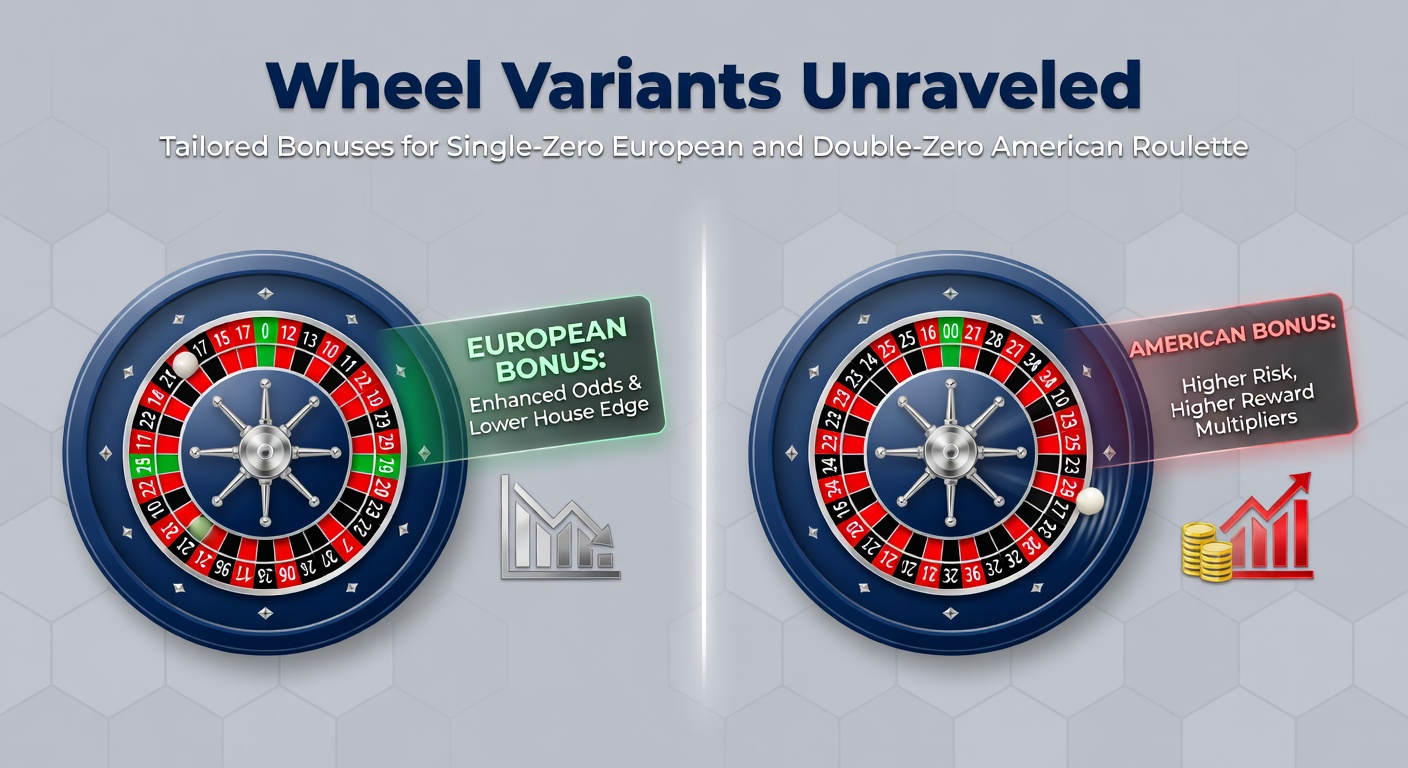
Bonus designs reflect wheel math down to the decimal, with single-zero promotions favoring low-volatility plays—think 100% matches valid only on outside bets—while double-zero counterparts amp up riskier inside-line credits to match the excitement; figures from industry trackers show European bonuses averaging 40x playthrough versus 50x for American, a direct response to edge disparities that keeps contribution rates balanced.
Turns out, savvy operators segment offers by wheel type in their lobbies, so a €20 no-wager free bet unlocks solely on single-zero live tables, whereas American versions pair with tripled loyalty points to lure high-stakes grinders; those who've mapped promo terms note how this prevents bonus abuse, ensuring sustainable edges even as players chain sessions.
But here's the thing: regional regs play a role too, with EU sites emphasizing transparency in single-zero bonus fine print—listing exact RTP contributions—while US platforms highlight withdrawal caps suited to double-zero's swings, creating a ecosystem where promotions feel custom-built rather than one-size-fits-all.
Strategies That Pair Perfectly with Tailored Wheel Bonuses
Flat betting on European wheels with a 150% welcome bonus maximizes clearance without chasing losses, since the 2.7% edge allows steady grind toward 30x requirements; observers point to Fibonacci tweaks on double-zero bonuses, where loss rebates cushion the 00's sting, turning potential wipeouts into recoverable streaks.
Now consider live dealer hybrids: single-zero streams often bundle 20% weekly cashback, ideal for section bets covering eight numbers at 7:1, while American tables push spin multipliers on snake bets—a 11:1 payout that bonuses inflate during peak hours like March 2026's weekend surges.
Examples abound from player forums, where one group documented stacking no-deposit chips on European wheels for 200-spin marathons, emerging with 15% net gains after bonuses cleared; contrast that with American plays, where tiered VIP rebates (5-20%) on double-zero proved essential for pros navigating the extra pocket's volatility.
- European focus: Prioritize even-money with La Partage-enabled bonuses for halved house edge on zeros.
- American angle: Leverage surrender bets under high-rebate promos to mimic single-zero math.
- Cross-wheel tip: Rotate via multi-table bonuses, but watch territorial restrictions that lock offers to specific variants.
It's noteworthy that March 2026 data from cross-Atlantic platforms revealed a 25% uptick in hybrid bonus uptake, as players blended wheel-specific perks for diversified edges.
Emerging Trends in Wheel-Specific Bonus Landscapes
Operators increasingly deploy AI-driven personalization, serving single-zero cashback to low-rollers and double-zero high-roller spins to variance chasers, based on play history; this shift, evident in Q1 2026 reports, aligns with global player data showing 60% preference for tailored over generic promos.
Yet regulatory eyes sharpen too—Canadian bodies like those in Ontario mandate clear wheel-variant labeling in bonus T&Cs—pushing transparency that benefits bonus stackers across borders; what's significant is how crypto casinos pioneer zero-fee single-zero bonuses, contrasting with fiat double-zero loyalty ramps that reward volume in volatile markets.
And so the evolution continues, with March 2026 pilots testing VR wheel bonuses—immersive single-zero experiences with haptic feedback paired to progressive jackpots—hinting at immersive futures where double-zero thrills get their own augmented promo twists.
Conclusion
Wheel variants dictate bonus blueprints, as single-zero European games thrive on precision-matched deposit boosts and cashback while double-zero American counterparts counter their edge with rebates and free bets designed for swings; data underscores how these tailored offers extend play, reduce effective house takes, and adapt to player habits in real time.
Those navigating this space find the key lies in matching strategies to promo specs—flat grinds for Europe, progressive cushions for America—unlocking potential across 37 or 38 pockets alike; with trends like March 2026's live and VR integrations accelerating, the bonus-wheel synergy shows no signs of slowing, offering fresh angles for every spin.