Promotional Tier Structures and Retention Correlations in Digital Roulette Platforms
Wendy Otto · Jun 20, 2026
Promotional Tier Structures and Retention Correlations in Digital Roulette Platforms
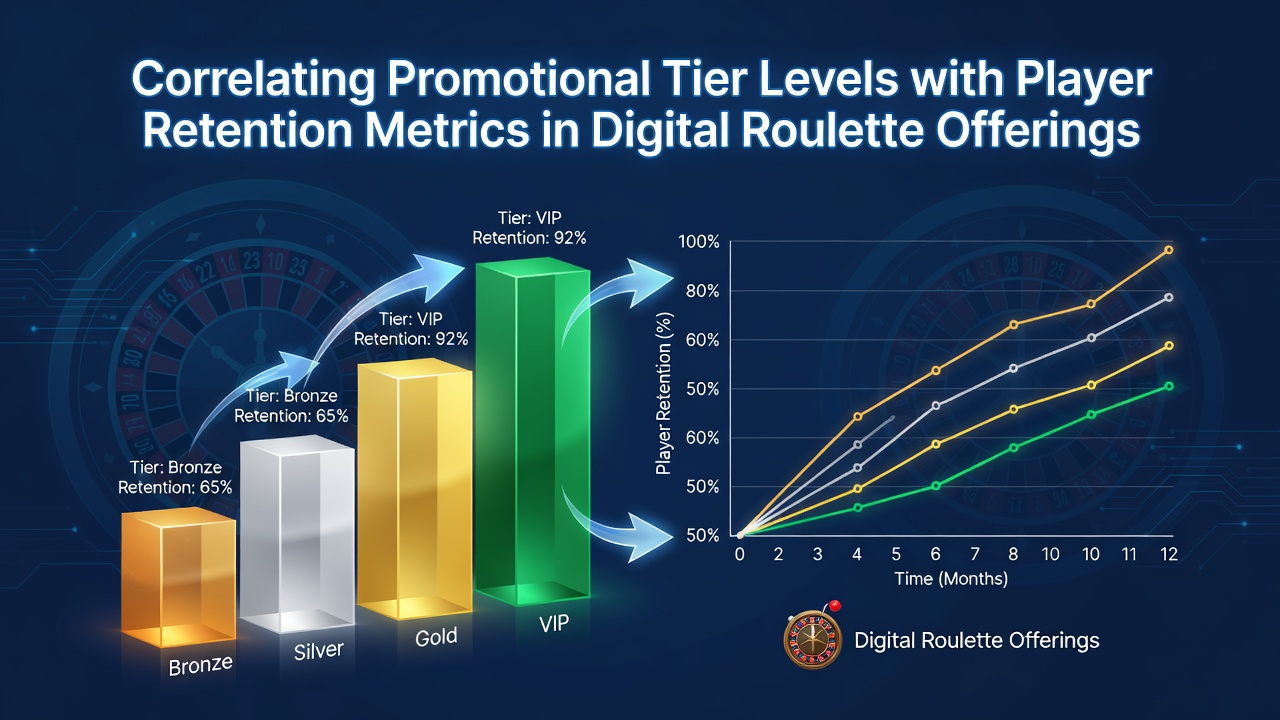
Operators structure promotional tiers in digital roulette offerings through progressive reward brackets that escalate from entry-level welcome incentives to elite loyalty benefits, and data from multiple markets demonstrates measurable connections between these tiers and player continuation rates. Research indicates that participants advancing through higher tiers exhibit extended session durations alongside reduced churn intervals, while lower-tier users display higher departure frequencies after initial deposits.
Defining Tier Levels in Roulette Promotions
Promotional tiers typically segment into bronze, silver, gold, and platinum categories based on deposit volume, wagering activity, and account tenure, with each level unlocking enhanced cashback percentages, exclusive table access, and accelerated point accumulation. Bronze participants receive standard deposit matches that convert at fixed rates, whereas platinum members access personalized reload sequences and reduced house-edge variants during designated periods. Studies compiled across North American and European operators show that progression speed between tiers influences overall engagement duration, with faster climbers maintaining activity for an average of 45 additional days compared to those remaining in entry brackets.
Key Retention Metrics Tracked by Platforms
Retention analytics focus on day-7, day-30, and day-90 return rates together with average revenue per user and session frequency counts. Platforms record these figures through automated tracking systems that log login timestamps, bet volumes, and bonus redemption patterns. Figures from industry reports reveal that day-30 retention climbs from 28 percent among basic-tier accounts to 61 percent at gold level and beyond, while average session length extends from 22 minutes to 47 minutes as users unlock successive rewards. These measurements allow operators to quantify how tiered incentives correlate with sustained participation without relying on subjective assessments.
Data Patterns Linking Tiers to Continued Play
Analysis of aggregated platform data from 2025 through June 2026 demonstrates that users who reach silver status within the first 14 days post-registration show a 34 percent higher likelihood of remaining active at the 90-day mark compared to those who stay at bronze. Higher tiers correlate with increased use of live dealer features and multi-table sessions, which in turn feed back into faster point accumulation and further tier elevation. Observers note that this feedback loop appears most pronounced in markets where operators adjust tier thresholds seasonally, resulting in measurable upticks in retention during promotional windows.
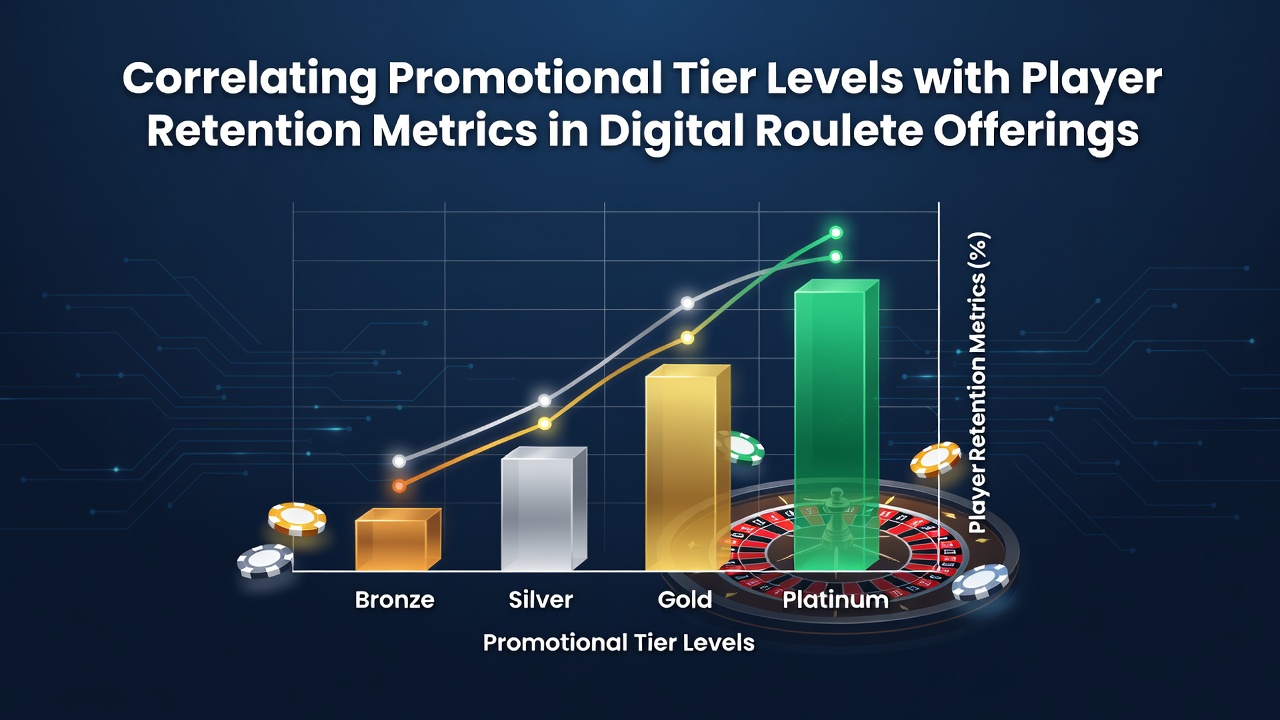
One longitudinal review conducted by researchers at the University of Nevada Reno tracked 12,000 digital roulette accounts over 18 months and found tier advancement predicted retention outcomes more reliably than initial deposit size alone. Participants who crossed into gold status retained at rates 2.3 times higher than matched control groups remaining in lower brackets, even when controlling for demographic variables. Similar patterns emerged in Canadian operator datasets released in early 2026, where platinum-tier cohorts generated 78 percent of total roulette handle despite representing only 19 percent of active accounts.
External Factors Shaping These Correlations
Game mechanics such as single-zero wheel availability, autoplay options, and integrated live chat functions interact with tier benefits to amplify retention effects. Accounts receiving tier-specific free bet credits on European roulette variants demonstrate extended play windows, while those limited to standard American double-zero tables show comparatively quicker drop-off after bonus exhaustion. Regulatory frameworks in different jurisdictions further modulate these outcomes, with Australian state licensing requirements mandating transparent tier disclosure that appears to encourage higher progression rates than less prescriptive environments.
According to findings published by the American Gaming Association, tiered structures incorporating milestone achievements outside pure wagering volume produce stronger retention correlations than volume-only models. A separate examination from the Australian Gambling Research Centre supports these observations, noting that players receiving tier upgrades tied to both deposit frequency and responsible play markers maintain longer relationships with platforms across multiple product verticals.
Practical Implementation Across Operators
Platforms deploy these correlations through dynamic tier engines that recalculate status in real time based on rolling 30-day windows, allowing immediate reward adjustments that sustain momentum. Mid-tier users frequently receive targeted roulette-specific incentives such as enhanced multipliers on even-money bets or priority access to new game releases, tactics that data links to improved day-30 return statistics. Operators also experiment with tier demotion safeguards, granting grace periods that prevent abrupt status loss and thereby preserve retention gains already achieved.
Conclusion
Platform data consistently maps higher promotional tiers to elevated retention metrics in digital roulette environments, with progression speed, reward specificity, and external regulatory context all contributing to observed outcomes. Continued monitoring of these relationships through standardized analytics frameworks enables operators to refine tier parameters in response to measurable player behavior patterns across regions.