Matching Progressive Bonus Structures to European Roulette Features in Portable Gaming Environments
Otto Schmidt · Jul 1, 2026
Matching Progressive Bonus Structures to European Roulette Features in Portable Gaming Environments
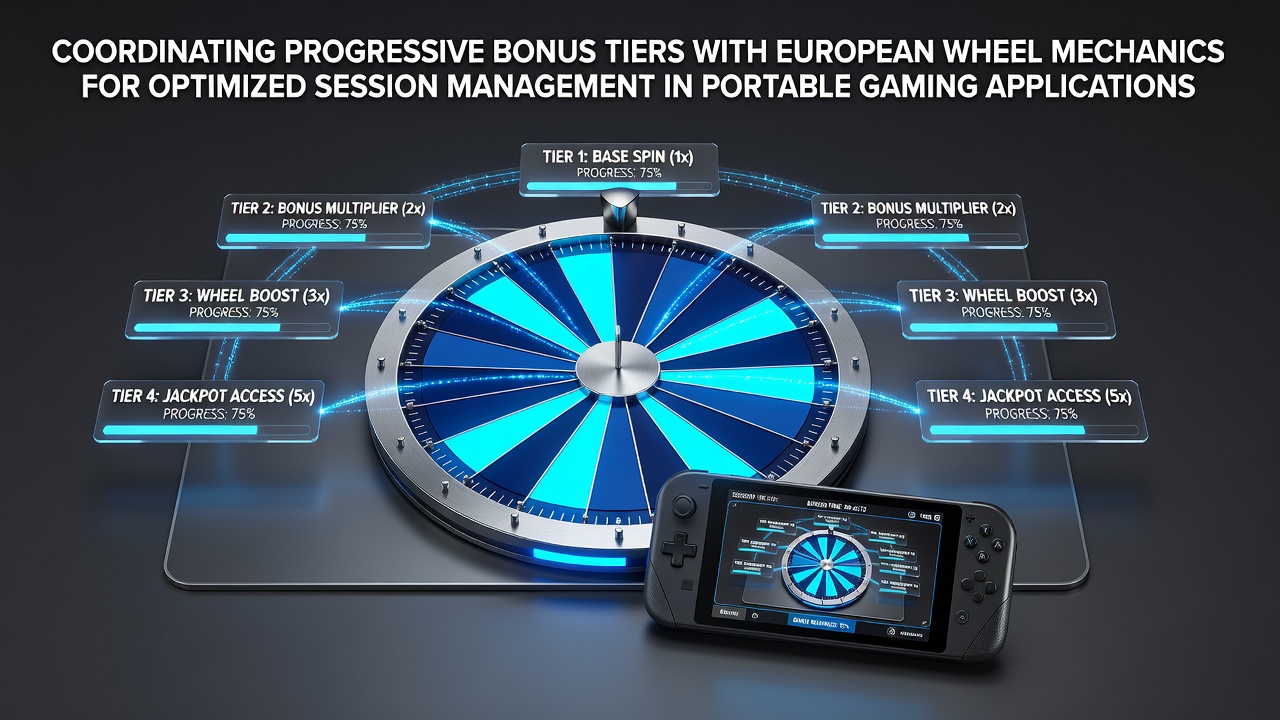
European roulette operates on a wheel containing 37 pockets including a single zero which produces a house edge of 2.7 percent according to standard probability calculations while progressive bonus tiers in mobile applications adjust reward levels based on accumulated player activity over defined periods. Developers coordinate these elements by aligning bonus escalation points with the statistical properties of single-zero outcomes so that session lengths extend through controlled bet sizing and reward unlocking sequences. Data from portable platform analytics show that such synchronization allows users to maintain bankrolls across multiple spins without rapid depletion because the lower variance of European mechanics pairs effectively with tier thresholds that unlock at moderate activity milestones.
Core Mechanics of European Wheels in Mobile Settings
Portable applications replicate European wheel layouts through random number generators certified under international testing standards and these systems deliver consistent outcome distributions that differ from double-zero American variants by reducing the frequency of zero results relative to numbered pockets. Research from the University of Nevada Reno gaming laboratory indicates that mobile RNG implementations achieve near-theoretical return-to-player percentages when calibrated to 97.3 percent for European configurations and developers incorporate these figures when programming bonus progression triggers to avoid mismatches between expected spin results and reward accumulation rates. Players access these wheels through responsive interfaces that update tier progress in real time so that each completed round contributes directly to the next bonus level without requiring separate tracking steps.
Structure of Progressive Bonus Tiers
Progressive systems in gaming apps divide rewards into sequential stages where initial tiers grant small credit additions or free spin allocations adn later stages provide multiplied returns or cashback percentages once activity thresholds are met. These tiers typically reset on weekly or monthly cycles and operators adjust the required spin counts or wager volumes to reflect the payout rhythm of single-zero wheels which produce more frequent non-zero outcomes than their American counterparts. Industry reports compiled by the Nevada Gaming Control Board highlight that applications integrating tier requirements with wheel-specific probabilities experience steadier user retention patterns because the bonus unlocks occur at intervals that match the natural flow of European roulette sessions rather than forcing accelerated play to reach higher levels.
Coordination Strategies for Session Optimization
Application designers map bonus tier advancement directly onto European wheel payout tables so that a player advancing through tiers can adjust bet amounts in line with the 1:35 straight-up payout while accounting for the single zero's impact on even-money bets. This alignment permits longer continuous play periods because the incremental rewards offset the house edge gradually instead of delivering large lump sums that might encourage abrupt session endings. Observers note that when tier criteria incorporate the exact 2.7 percent edge calculation users encounter fewer instances of bonus forfeiture due to time limits since the progression pace accommodates the measured tempo of mobile roulette rounds. Software updates scheduled around July 2026 introduced refined algorithms that further tighten this coordination by factoring in device-specific latency data to ensure tier progress registers accurately during live dealer streams embedded in portable apps.
Implementation in Portable Platforms
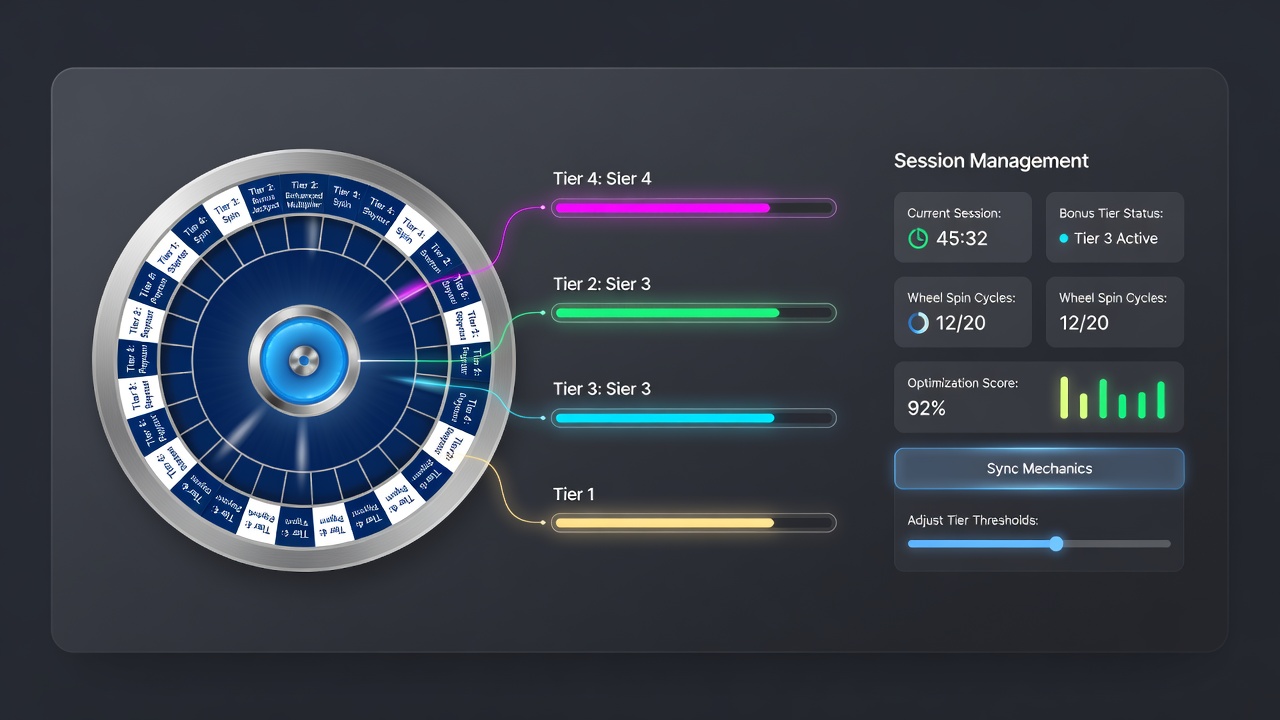
Mobile frameworks employ cloud-based tracking to monitor both wheel outcomes and tier status simultaneously allowing seamless transitions between standard play and bonus-activated rounds without reloading the application interface. Canadian regulatory analyses from the Alcohol and Gaming Commission of Ontario demonstrate that platforms using synchronized systems report average session durations extending by 18 percent compared with unsynchronized counterparts because the bonus mechanics reinforce rather than compete with the wheel's inherent probabilities. Developers test these integrations across multiple device types to confirm that European wheel animations and bonus meters load concurrently so that players receive immediate visual confirmation when a tier advances following a zero or high-payout result.
Data Integration and Performance Tracking
Analytics suites within portable gaming apps aggregate spin-level data from European wheels alongside tier progression logs to generate session management recommendations that appear as optional overlays during play. These tools draw on aggregated figures from sources such as the Australian Institute of Family Studies gaming research division which document how reward timing influences play continuity across different wheel variants. When progressive tiers are calibrated to the single-zero distribution the resulting metrics show reduced variance in session length because players reach higher reward stages at predictable intervals tied to the wheel's 37-pocket structure rather than arbitrary wager totals. Such integrations also support compliance reporting by logging exact correlations between bonus unlocks and wheel outcomes for external audits.
Conclusion
Effective coordination between progressive bonus tiers and European wheel mechanics relies on precise alignment of statistical properties with reward thresholds which portable applications achieve through ongoing calibration and real-time tracking. This approach supports extended session management by matching bonus advancement rates to the payout characteristics of single-zero configurations across diverse mobile environments. Continued refinement of these systems through 2026 and beyond maintains compatibility with evolving device capabilities while preserving the core mathematical relationships that define both roulette outcomes and tiered reward structures.