Integrating Complimentary Spin Distributions with Croupier Rotation Timelines in Mobile Live Roulette
Cameron Keller · Jun 1, 2026
Integrating Complimentary Spin Distributions with Croupier Rotation Timelines in Mobile Live Roulette
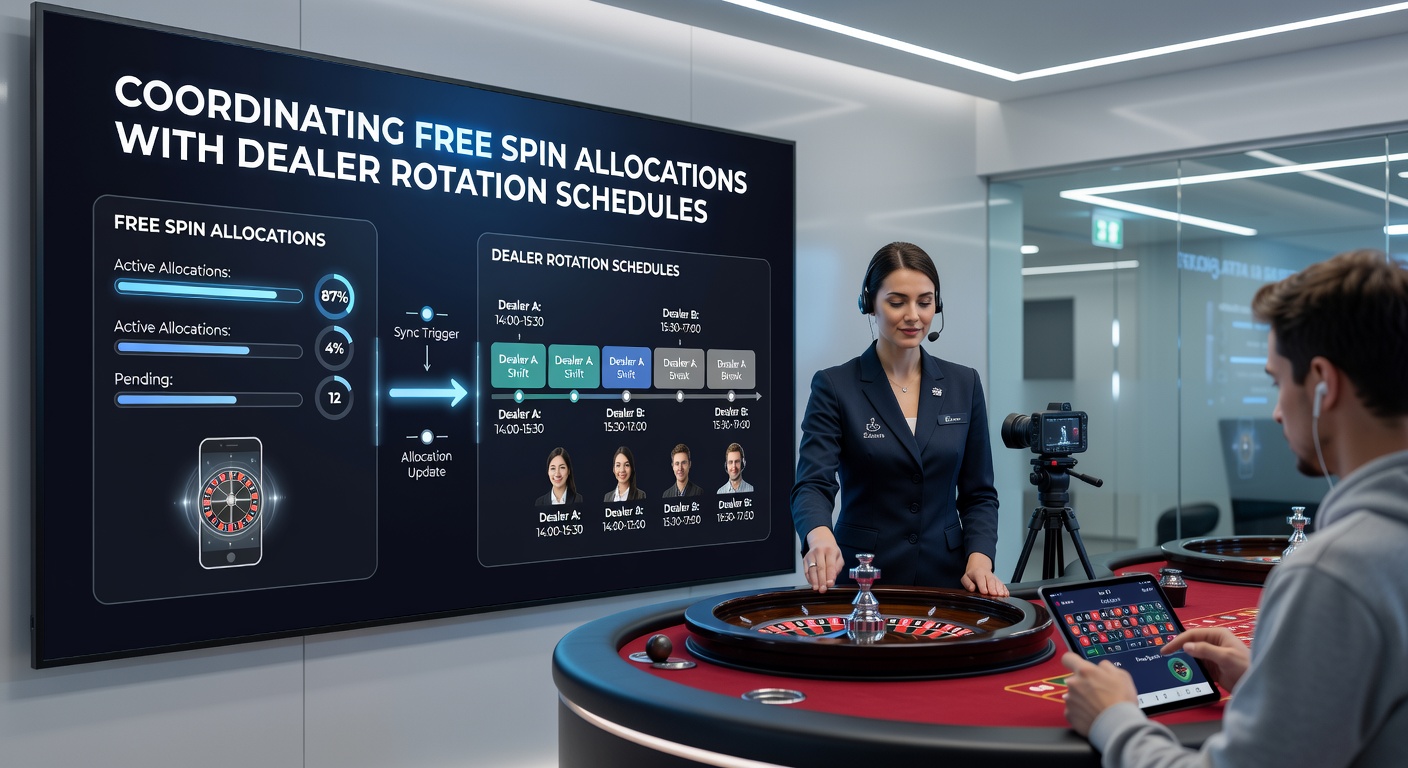
Live dealer operations in mobile roulette rely on structured rotation schedules where croupiers typically switch positions every 40 to 60 minutes according to platform protocols designed to maintain concentration and regulatory compliance, and operators coordinate complimentary spin distributions around these intervals so that bonus credits activate during transition windows when tables pause briefly for handoffs. Systems track dealer cycles through centralized scheduling software that logs shift starts and ends across multiple studios, allowing automated bonus engines to queue free spin allocations for release immediately after a rotation completes rather than interrupting active rounds. Data from platform analytics indicate that such timing alignments reduce session interruptions by aligning player incentives with natural breaks in dealer presence, while mobile applications push notifications to users about impending spin credits once the new croupier assumes control.
Dealer Rotation Protocols Across Regulated Studios
Rotation patterns follow standardized intervals documented in operational guidelines from various gaming authorities, with European platforms often enforcing 45-minute maximum shifts per dealer and North American sites extending to 60 minutes depending on table volume and jurisdiction requirements. Software platforms monitor these cycles in real time through integrated APIs that connect studio management systems directly to player account dashboards, triggering free spin eligibility flags only after the outgoing dealer has logged off and the incoming one has verified table integrity. Observers note that this coordination prevents overlap where a bonus spin might land during a handoff, which could otherwise create disputes over outcome attribution in live streams.
Free Spin Allocation Systems in Mobile Environments
Mobile applications distribute complimentary spins through server-side algorithms that factor in both player activity metrics and external schedule data from live studios, releasing credits in batches sized to match average round durations between rotations. Research from gaming technology providers shows these systems often incorporate predictive models that estimate transition times within a two-minute window, enabling pre-allocation of spin sequences that activate automatically once the new dealer confirms readiness via on-screen prompts. Players receive visual cues on their devices indicating when a fresh allocation becomes available relative to the current croupier cycle, and this linkage supports consistent engagement without requiring manual claims during active play periods.
Technical Synchronization Methods
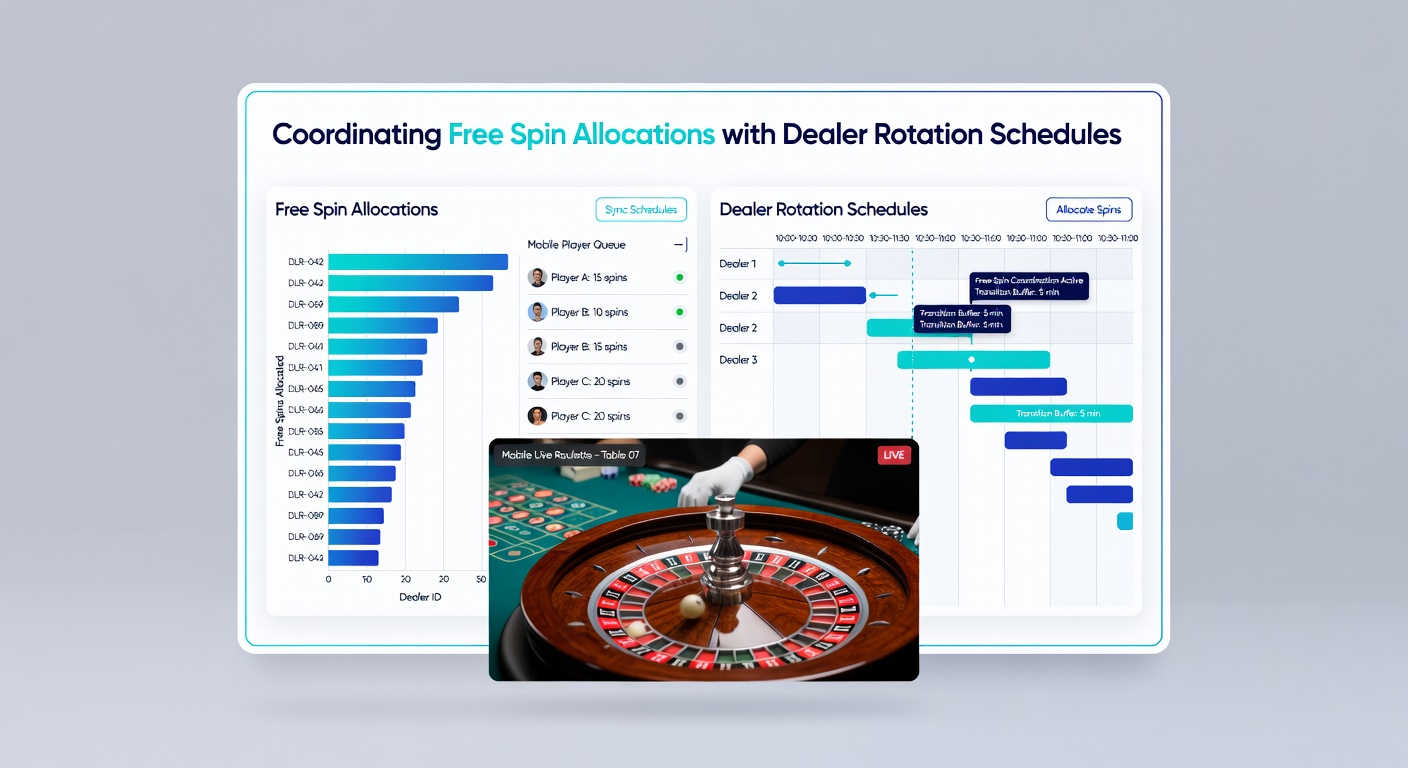
Backend integrations combine timestamped rotation logs with bonus management databases so that free spin triggers reference exact dealer change timestamps rather than fixed clock times, which accommodates variations caused by extended rounds or technical delays. Industry reports from sources such as the National Council on Problem Gambling highlight how such precise matching contributes to session continuity metrics tracked across thousands of daily mobile connections. Developers implement fallback protocols that hold pending allocations if a rotation runs long, releasing them only after the subsequent dealer has processed at least one verified spin to confirm table stability.
One platform case from 2025 illustrated successful integration when scheduled maintenance shifted several dealer cycles by 15 minutes, yet the allocation engine adjusted automatically and maintained distribution rates without manual intervention. Mobile interfaces display countdown timers synced to both the next rotation and the next available spin batch, giving users clear visibility into how these elements intersect during extended sessions.
Regulatory Considerations in Multiple Jurisdictions
Authorities in regions such as the Isle of Man and certain Australian states require operators to document how bonus features interact with live operations, including any scheduling dependencies that affect spin availability. Compliance documentation submitted in early 2026 referenced updated rotation standards effective from June 2026 that mandate minimum verification periods between dealer changes, directly influencing when platforms may release queued free spin credits. These rules ensure transparency in how allocations align with operational pauses, and platforms must retain logs demonstrating that no spin credits activate while a table lacks an active dealer.
Implementation Challenges and Solutions
Latency between mobile clients and studio servers can occasionally desync allocation displays from actual rotation events, prompting developers to build buffer periods of 30 seconds into release logic so credits appear only after confirmed dealer presence. Testing across multiple device types reveals that users on lower-bandwidth connections experience the most variance, yet server-side validation keeps the underlying coordination accurate regardless of display timing. Platforms address this through progressive loading of spin interfaces that activate fully once rotation confirmation reaches the account server.
Conclusion
Coordination between free spin allocations and dealer rotation schedules in mobile live roulette depends on integrated timing systems that reference live operational data to release credits during verified transition windows. Platform analytics, regulatory filings, and technical documentation from multiple jurisdictions establish the mechanisms operators use to maintain alignment without disrupting table flow or bonus eligibility. As schedules evolve with updates such as those planned for June 2026, these synchronization practices continue to shape how mobile applications manage complimentary features alongside live dealer cycles.