How Battery Status Determines Roulette Bonus Claim Opportunities in Regulated Gambling Software
Cameron Keller · Jun 29, 2026
How Battery Status Determines Roulette Bonus Claim Opportunities in Regulated Gambling Software
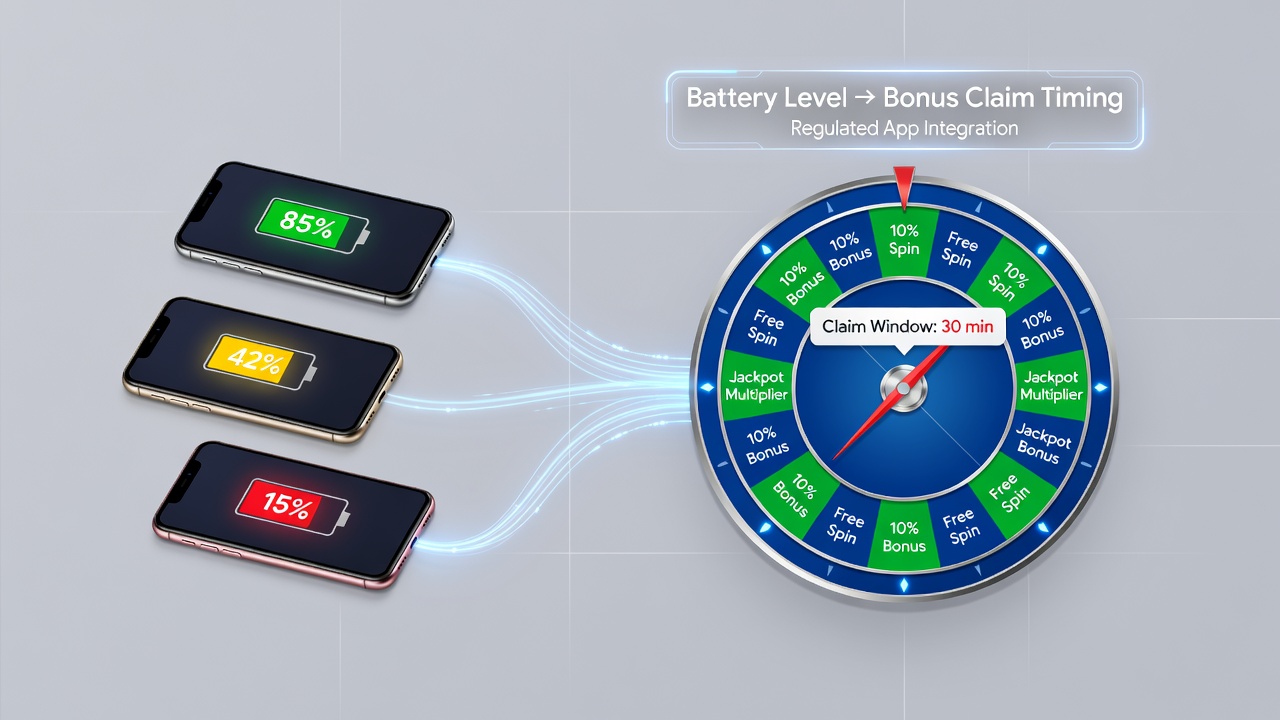
Regulated mobile applications that offer roulette bonuses have begun incorporating device battery data into their claim systems, creating specific windows where users can redeem offers only when power levels meet defined thresholds. This approach emerged as developers sought ways to maintain session stability while complying with technical standards set by oversight bodies across multiple jurisdictions. Battery monitoring occurs through standard operating system APIs that report charge percentages in real time, allowing apps to adjust availability without requiring additional user input.
Technical Integration of Power Metrics
Developers link battery readings directly to backend servers that control bonus activation, so a device reporting below a certain percentage triggers an automatic delay until the level rises again. Studies from institutions such as the University of Nevada Reno's gaming technology lab show that these integrations reduce interrupted sessions by synchronizing claims with periods of adequate power supply. In practice the system checks the battery upon each login attempt and recalculates the next eligible window based on projected drain rates during typical roulette play sequences.
Apps achieve this by embedding lightweight scripts that query the device every few minutes during active play, then compare results against predefined rules stored on secure servers. When battery sits between 15 and 30 percent, many platforms shift the claim opportunity to a later time slot, often within the same calendar day but after the user has had a chance to recharge. This method avoids abrupt terminations that could otherwise flag accounts for review under fairness protocols.
Regulatory Context Across Regions
Authorities in Nevada and several Canadian provinces have examined these battery-linked features as part of broader mobile compliance reviews, noting that they align with requirements for responsible software design. Data collected through 2025 and into June 2026 indicates that platforms using power-based restrictions recorded fewer technical support tickets related to lost progress during low-charge events. The pattern appears across both iOS and Android environments, though implementation details vary according to each operating system's permission models.
Operational Examples from Licensed Platforms
One documented case involved a European-licensed operator that introduced battery thresholds in early 2026, resulting in claim windows opening primarily when devices exceeded 25 percent charge. Players attempting redemption at lower levels received notifications directing them to return after charging, which helped maintain consistent connection quality during live dealer roulette rounds. Another instance from an Australian-regulated environment showed similar adjustments tied to bonus sequences, where the system extended eligibility periods automatically when battery recovery occurred within a set timeframe.
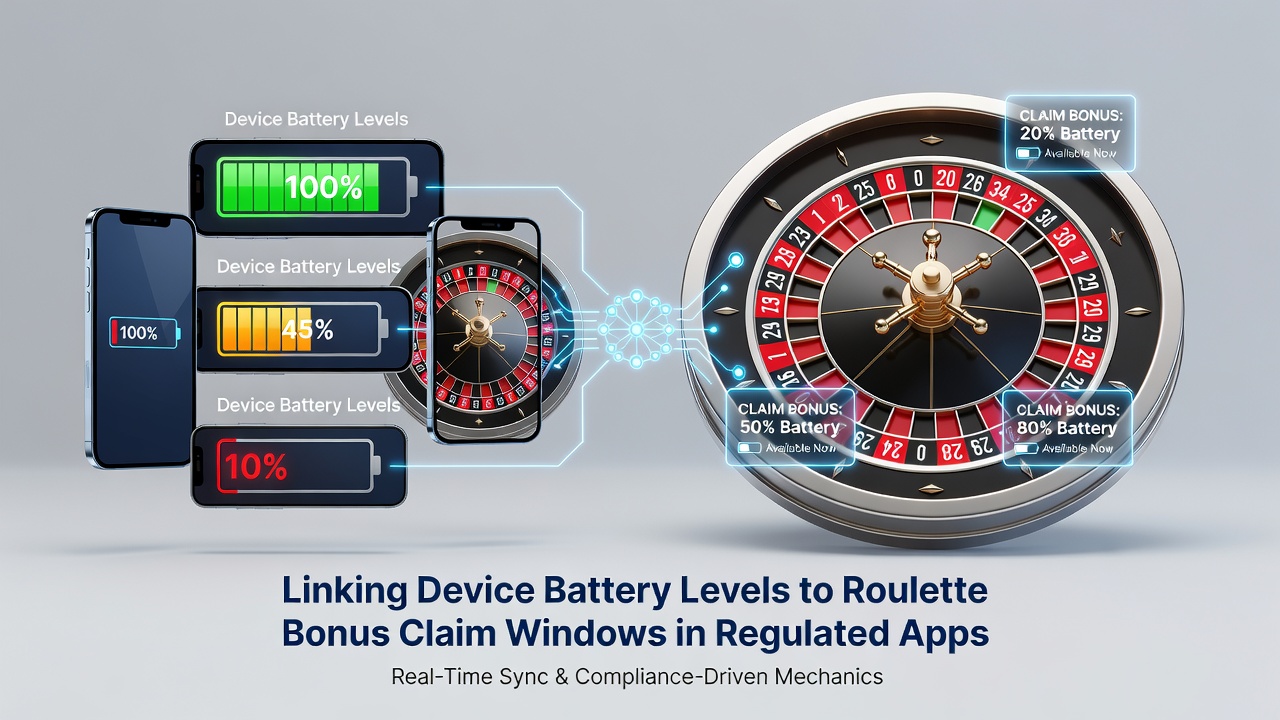
These configurations often combine with other signals such as network stability and location verification, forming layered checks that operate in the background. Reports compiled by the Canadian Centre for Gaming Research highlight that such multi-factor approaches correlate with steadier user engagement metrics across tested applications. The logic behind the thresholds typically factors in average power consumption rates observed during roulette sessions, which tend to increase when graphics and sound features remain active for extended periods.
Data Patterns Observed in 2026
Analysis covering the first half of 2026 reveals that regulated apps employing battery synchronization experienced measurable shifts in peak claim activity toward evening hours when many users recharge devices. Figures from industry monitoring groups indicate average claim completion rates rose when systems accounted for power status, as fewer attempts failed due to unexpected shutdowns. Observers note that the mechanism also supports broader goals of session continuity by discouraging play during conditions that might lead to abrupt disconnections.
Implementation remains voluntary in most markets, yet several major platforms adopted it following internal testing that demonstrated reduced variance in bonus fulfillment times. The approach uses existing device telemetry without storing detailed usage histories, which helps satisfy data minimization expectations from oversight entities. Developers continue refining the algorithms to account for different device models and their unique battery characteristics, ensuring thresholds remain practical across hardware generations.
Conclusion
Battery level integration into roulette bonus systems represents a technical adaptation that regulated applications employ to align claim availability with device readiness. Evidence from multiple regions shows consistent use of power thresholds to manage session reliability, with patterns emerging clearly by June 2026. As mobile platforms evolve, these connections between hardware status and bonus mechanics are likely to expand while staying within established compliance frameworks.