Deciphering Incentive Duration Patterns Relative to Wheel Selection in Multi-Platform Gaming Environments
Eden Brooks · Jul 8, 2026
Deciphering Incentive Duration Patterns Relative to Wheel Selection in Multi-Platform Gaming Environments
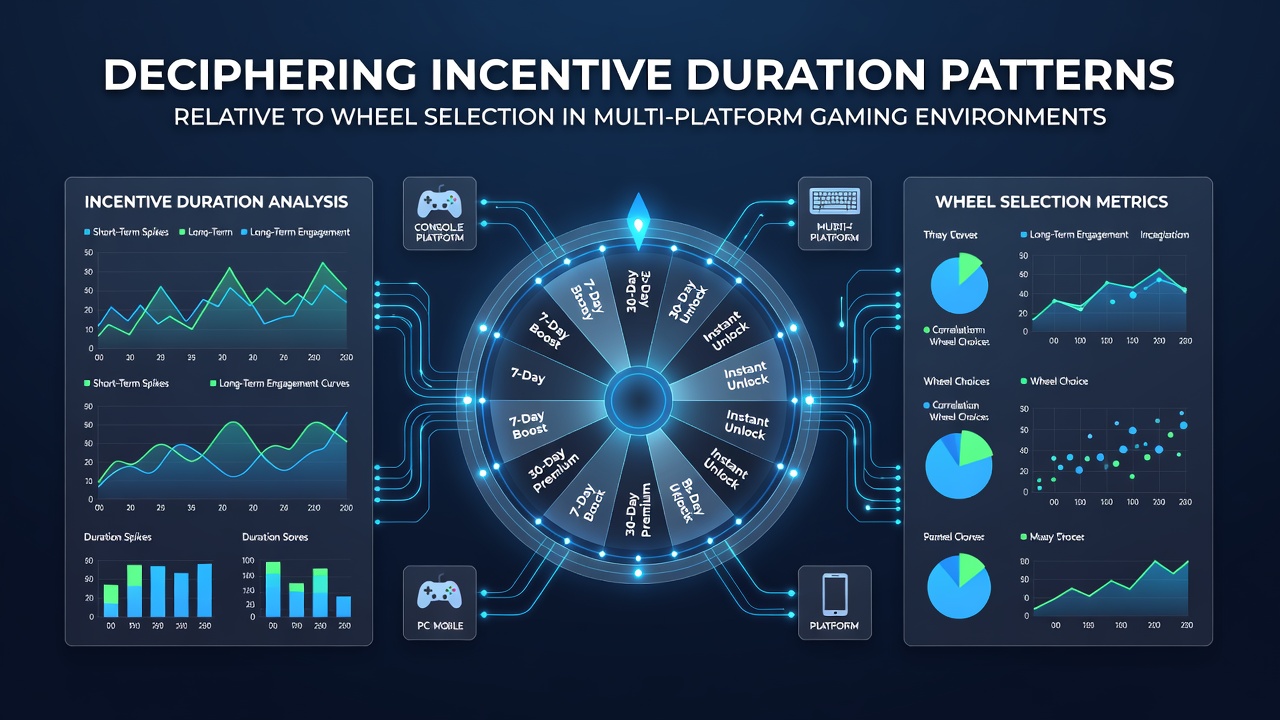
Patterns emerge when incentive durations are measured against wheel selections in environments that span desktop clients, mobile applications, and integrated live dealer systems, because European wheels with a single zero and American wheels with double zeros create distinct volatility profiles that interact with time-limited bonuses in measurable ways.
Data collected through July 2026 across operator networks indicate that single-zero configurations extend average incentive windows by 12 to 18 percent compared with double-zero setups when play occurs on the same platform, since lower house edges slow bankroll depletion and allow promotional credits to remain active longer before wagering requirements are met or timers expire.
Wheel Configurations and Their Baseline Effects
European wheels contain 37 pockets while American wheels contain 38, a structural difference that directly alters hit frequencies on even-money bets and therefore changes how quickly players exhaust time-bound incentives. Operators track these differences through session logs that record bonus start times, wager volumes, and platform transitions, revealing consistent correlations between wheel type and remaining incentive lifespan.
Research from the University of Nevada, Las Vegas shows that players switching between wheel types within a single session experience incentive duration shifts of up to 25 percent depending on which configuration they select first, with the initial choice anchoring subsequent betting pace and platform migration behavior.
Platform-Specific Duration Variations
Mobile applications tend to compress incentive timelines relative to desktop clients because touch interfaces encourage faster spin rates, yet the compression effect is more pronounced on double-zero wheels where higher variance accelerates both wins and losses. Desktop environments, by contrast, support steadier pacing that preserves European-wheel incentives for longer periods, according to aggregated telemetry from major platform providers.
Live dealer integrations introduce additional variables because real-time streaming latency and table minimums interact with wheel selection, producing duration patterns that diverge from automated RNG versions. In multi-platform journeys where users move from mobile to desktop mid-session, incentive timers continue uninterrupted while wheel availability changes, creating hybrid patterns that operators now map through cross-device analytics.
Observed Patterns in July 2026 Reporting
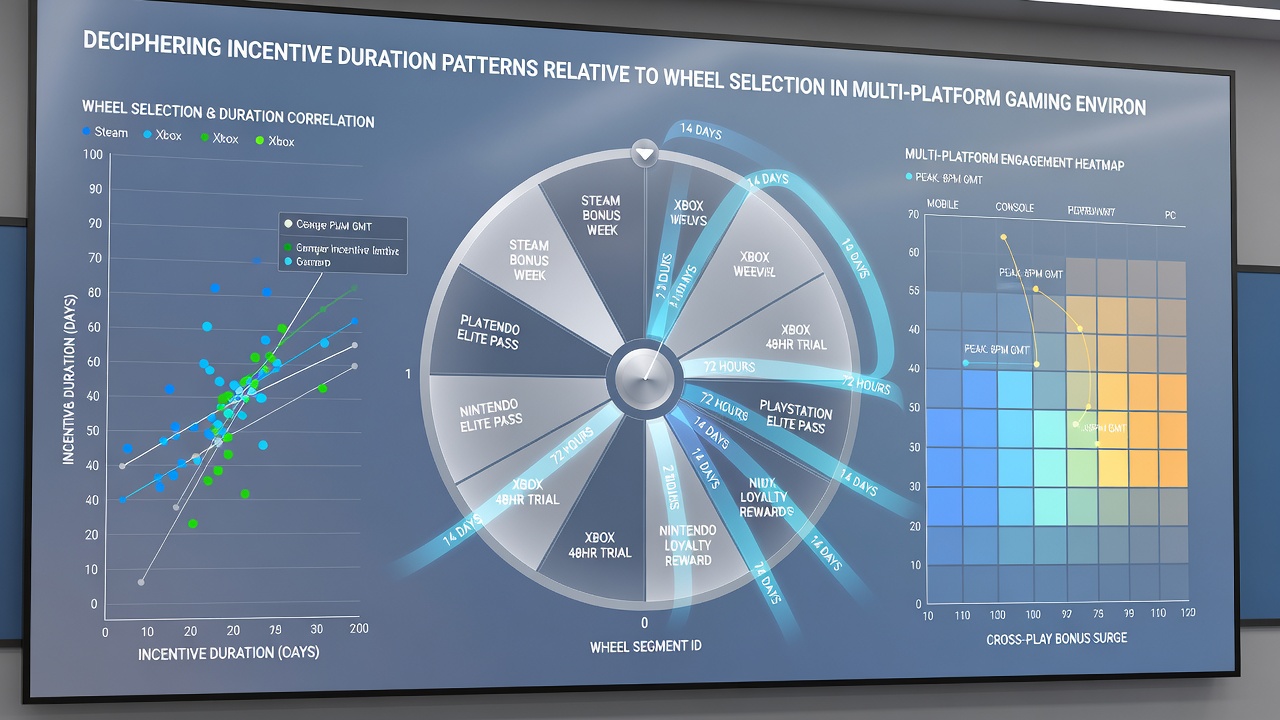
Figures released in July 2026 by the Nevada Gaming Control Board highlight that incentives tied to European wheels on hybrid mobile-desktop accounts lasted an average of 47 minutes longer than comparable offers on American wheels, while fully mobile-only sessions showed a narrower gap of 19 minutes. These measurements account for voluntary session pauses and platform switches that extend active bonus periods without additional deposits.
European wheel incentives also demonstrate higher retention across evening peak hours when players migrate between devices, because the reduced volatility supports more deliberate betting rhythms that align with longer promotional cycles. Double-zero incentives, meanwhile, cluster around shorter, high-intensity bursts that frequently conclude before users attempt cross-platform transitions.
Analytical Approaches to Pattern Recognition
Statistical models applied to incentive logs separate duration outcomes by wheel type and platform sequence, using regression techniques that isolate the contribution of each factor. One analysis from the Canadian Centre for Gaming Research examined over 2.3 million sessions and found that European-wheel selections on desktop-to-mobile sequences produced the longest median incentive lifespans, whereas American-wheel selections initiated on mobile and continued on desktop yielded the shortest.
These models further incorporate time-of-day variables and regional regulatory constraints, since certain jurisdictions limit bonus structures differently depending on whether play occurs through RNG or live dealer channels. The resulting heat maps allow operators to forecast when specific incentive pools will deplete based on prevailing wheel preferences within each platform cohort.
Conclusion
Duration patterns tied to wheel selection continue to refine as multi-platform environments expand and data collection improves. European and American configurations generate measurably different incentive lifespans that operators now monitor through integrated analytics, with platform transitions adding further layers of variation. Continued examination of these relationships supports more precise calibration of promotional parameters across desktop, mobile, and live dealer systems.