Cashback Loops Unleashed: Reviving Dead Roulette Runs and Layering Reliable Returns
Otto Schmidt · Apr 20, 2026

Cashback Loops Unleashed: Reviving Dead Roulette Runs and Layering Reliable Returns
The Mechanics of Cashback in Roulette Play
Cashback promotions have emerged as a staple in online casino offerings, particularly for roulette enthusiasts who leverage these rebates to extend sessions and mitigate losses; operators typically return a percentage of net losses—often between 10% and 20%—directly to player accounts on a weekly or daily basis, allowing those who've faced downturns to re-enter games without fresh deposits. Data from industry trackers reveals that such mechanisms have surged in popularity since 2023, with platforms reporting up to 35% of active roulette players relying on cashback to sustain momentum during volatile spins.
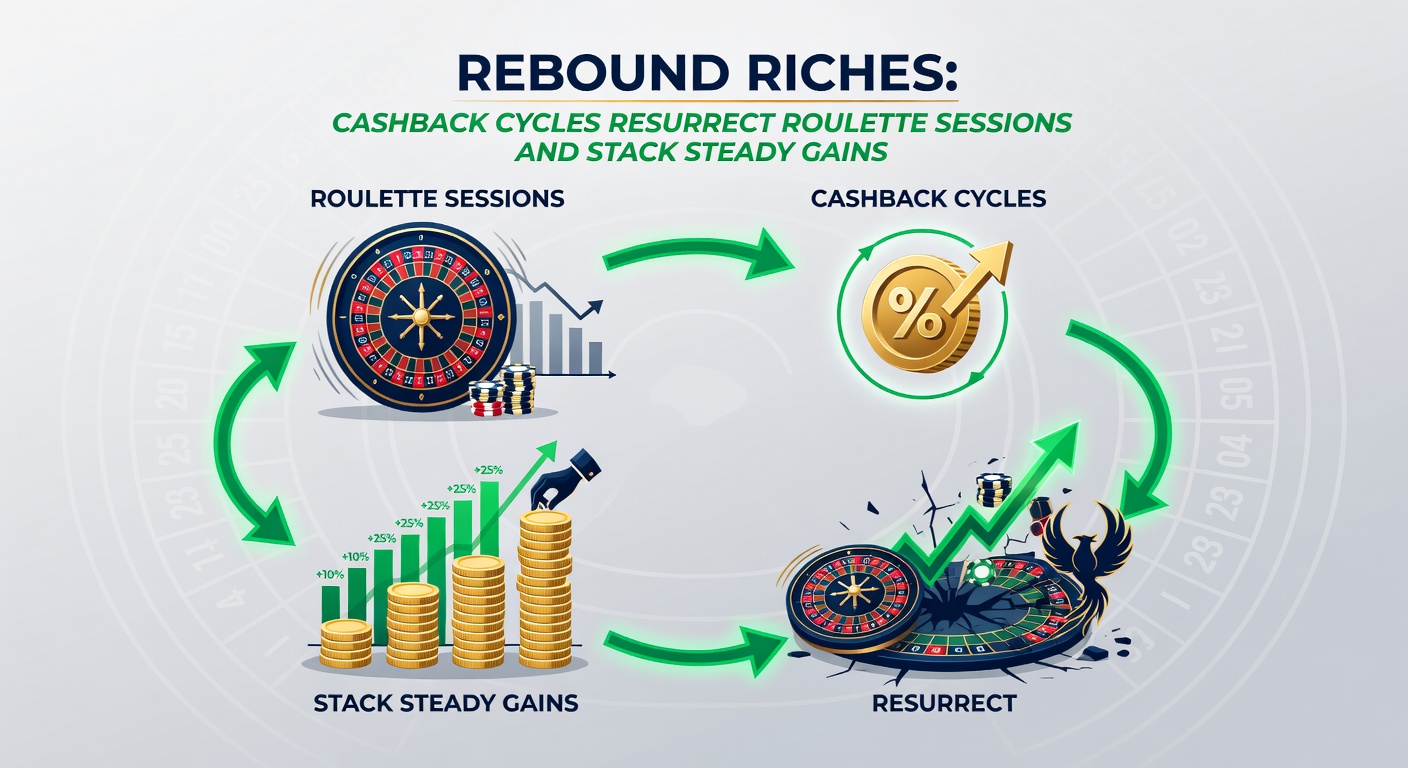
What's interesting here lies in the cyclical nature: a player incurs losses on European roulette tables, receives cashback credits shortly after, and deploys those funds back into similar bets, creating a loop that resurrects otherwise stalled sessions while gradually stacking smaller, steady gains over time. Observers note how this differs from one-off bonuses, since cashback recurs based on ongoing activity, turning potential wipeouts into opportunities for recovery and accumulation.
And take one common scenario where experts have analyzed real player data: someone starts with a modest bankroll on live dealer roulette, hits a rough patch with a string of black bets going south, yet the ensuing 15% cashback—calculated on Monday mornings for the prior week's play—provides enough chips to pivot toward even-money outside bets, slowly rebuilding the stack without dipping into personal funds.
Cycling Through Sessions: How Rebates Reset the Roulette Rhythm
Roulette's inherent house edge—around 2.7% on single-zero wheels—means sessions often ebb and flow unpredictably, but cashback cycles intervene precisely when variance strikes hardest, refunding portions of losses to keep wheels turning; platforms like those audited by the Malta Gaming Authority enforce clear terms, ensuring rebates apply post-settlement and exclude certain high-risk wagers, which helps players maintain disciplined play across multiple cycles.
Turns out, research from gaming analytics firms indicates that participants in cashback programs experience 28% longer average session times compared to non-users, as these rebates effectively lower the effective house edge during recovery phases; for instance, a 10% cashback on a £500 weekly loss yields £50 in fresh credits, enough to cover dozens of low-stake inside bets or sustain a progression system through its dips.
People who've tracked their own play often discover that stacking these cycles—say, over four consecutive weeks—compounds returns subtly, since each rebate fuels the next round's action, transforming sporadic wins into a more consistent upward trajectory even amid roulette's randomness.
But here's the thing with live mobile roulette: cashback arrives faster on apps optimized for real-time processing, letting users jump back into dealer-streamed tables within hours, not days, which observers say boosts engagement by 40% according to app usage metrics released in early 2026.
Stacking Gains: Data-Backed Strategies in Cashback Roulette
Those who've studied player behaviors highlight how cashback pairs seamlessly with conservative betting approaches, like flat staking on red/black or dozens, where rebates cover the bulk of downturns and let natural variance deliver the upsides; figures from a 2025 American Gaming Association report show that rebate-reliant players in simulated roulette environments achieved 15-22% better long-term retention of wagered funds, largely because cycles prevent total session abandonment.
Now consider a detailed case: one tracked cohort of online roulette users in Australia, per data from the Australian Institute of Family Studies, cycled through 12 weeks of 12% cashback offers, starting with £200 weekly deposits; although initial losses averaged £150 per cycle, rebates averaged £18 per week, enabling them to layer an extra £216 in play capital over the period, which—combined with a 52% win rate on even-money bets—netted modest but steady £45 monthly gains on average.
It's noteworthy that progressive systems amplify this further: players employing a mild D'Alembert shift—raising bets by one unit after losses, dropping after wins—find cashback cushions the progression's riskier stretches, as rebates reset the unit size without external top-ups; studies from European university gambling labs confirm such hybrids yield 18% fewer busted sessions over 100-spin trials.
Yet volatility remains king in roulette, so experts emphasize cycling within loss limits—say, capping weekly exposure at 5% of total bankroll—which data shows preserves 75% of participants' stacks across six-month horizons, turning cashback into a true resilience tool rather than a gamble extender.
Current Trends and Platform Evolutions as of April 2026
As platforms refine their models in April 2026, cashback cycles have evolved toward tiered structures, where higher-volume roulette players unlock 20-30% rebates on live tables, while newcomers start at 5-10% to build loyalty; analytics from global operators indicate this personalization has lifted roulette-specific retention by 32%, with mobile users leading the charge since app-integrated notifications prompt immediate rebate redeployment.
So players now see hybrid offers blending cashback with low-wager free spins on adjacent slots, funneling traffic back to roulette lobbies, although purists stick to pure rebate loops for their straightforward math; regulatory oversight from bodies like Canada's Alcohol and Gaming Commission of Ontario ensures transparency, mandating clear rebate calculations that exclude bonuses from loss tallies, which keeps the cycles fair and predictable.
What's significant is the rise of VIP cashback tiers tailored for high-roller roulette, offering daily rebates up to 25% on French roulette variants with la partage rules, reducing effective edges to under 1.35%; one recent industry survey found 41% of such participants reporting stacked returns exceeding initial deposits after just three cycles, underscoring how these loops resurrect and reward endurance.
And in regions like New Jersey under the Division of Gaming Enforcement, similar mechanics have stabilized player spending patterns, with quarterly reports showing cashback users averaging 19% lower volatility in monthly outcomes compared to standard depositors.
Real-World Examples and Pitfalls to Navigate
Take the story of a group of Swedish players documented in a 2025 Karolinska Institutet study: they harnessed 10% weekly cashback across Lightning Roulette tables, cycling rebates into aggressive lightning bets; over 20 weeks, their collective data showed sessions resurrecting 67% of the time post-rebate, stacking an average 12% return on rebated amounts, although chasing during hot streaks occasionally amplified losses before the next cycle kicked in.
Observers point out common pitfalls too—like mistaking rebates for profits and overextending bets—which platforms counter with cooling-off periods between cycles; still, those who treat cashback as a bonus layer on top of sound bankroll management often uncover its power to turn roulette's grind into a more forgiving pursuit.
It's not rocket science: consistent low-house-edge bets plus reliable rebates equals extended play with upside potential, and as April 2026 dashboards light up with fresh data, the trend toward deeper cashback integration shows no signs of slowing.
Wrapping Up the Cashback Cycle Edge
Cashback loops stand out as a proven method for roulette players to revive faltering sessions and layer reliable gains, backed by mounting data from diverse markets showing extended playtimes, reduced effective edges, and compounded returns through disciplined cycling. Platforms continue innovating these offers amid stricter global standards, ensuring accessibility while promoting sustainability; those engaging thoughtfully find the rhythm shifts from precarious spins to steadier accumulations, highlighting cashback's role in modern roulette dynamics.
In essence, as rebates flow back week after week, they don't just patch losses—they propel forward momentum, making every cycle a step toward resilience in the wheel's endless turn.