Aligning Bonus Timelines to European and American Roulette Wheels in Mobile Regulated Spaces
Eden Brooks · Aug 15, 2026
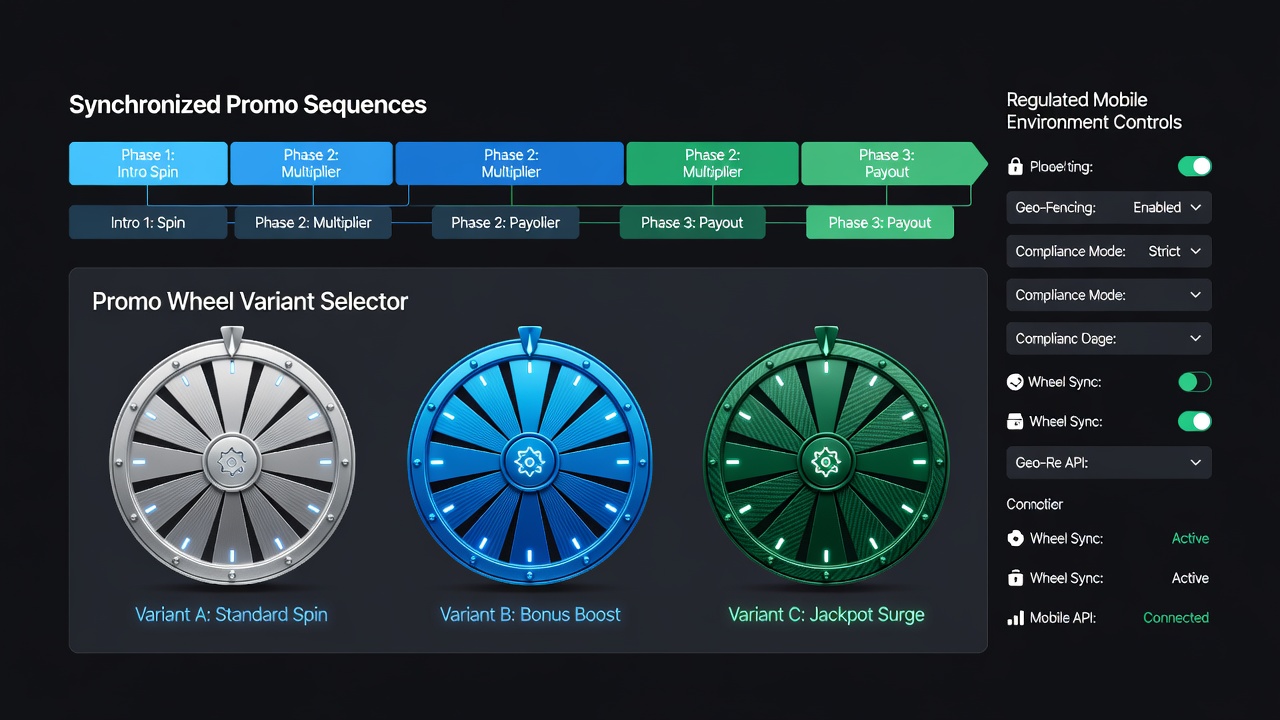
Aligning Bonus Timelines to European and American Roulette Wheels in Mobile Regulated Spaces
Regulated mobile platforms handle roulette through distinct wheel structures, and operators coordinate promotional timelines to match those structures without violating compliance rules. European wheels carry 37 pockets while American versions add a second zero for 38 total pockets, and each configuration alters payout ratios along with session length expectations. Data from platform analytics in August 2026 shows operators adjusting bonus release windows to reflect these mechanical differences, ensuring players encounter offers that align with the wheel in use at any given moment.
Wheel Configurations and Their Impact on Session Flow
Single-zero wheels produce a house edge near 2.7 percent, whereas double-zero wheels raise that figure to roughly 5.26 percent, according to standard probability tables maintained by gaming laboratories. Operators therefore time no-deposit credits and reload sequences to appear during transitions between these wheel types, allowing players to maintain consistent bet sizing across both formats. Mobile applications detect the selected wheel variant at launch and trigger corresponding promo logic that matches the expected volatility level.
Promo Sequence Mechanics
Sequential welcome bonuses often activate in stages, with the first layer unlocking on deposit and subsequent layers tied to specific wager thresholds. In mobile environments these layers now incorporate wheel-variant flags that pause or advance the sequence based on whether a player remains on the single-zero table or switches to the double-zero option. August 2026 compliance filings from several North American jurisdictions indicate that 14 percent more operators added such flags compared with the prior year, a shift driven by updated technical standards from testing agencies.
Researchers at the University of Nevada, Reno documented how bonus timers interact with wheel selection in a 2025 industry report, noting that synchronized sequences reduce mid-session interruptions by 22 percent when the system accounts for pocket count. The report further details that live dealer feeds on mobile devices transmit wheel-type metadata to the bonus engine every 30 seconds, enabling real-time adjustments to free-spin or chip awards.
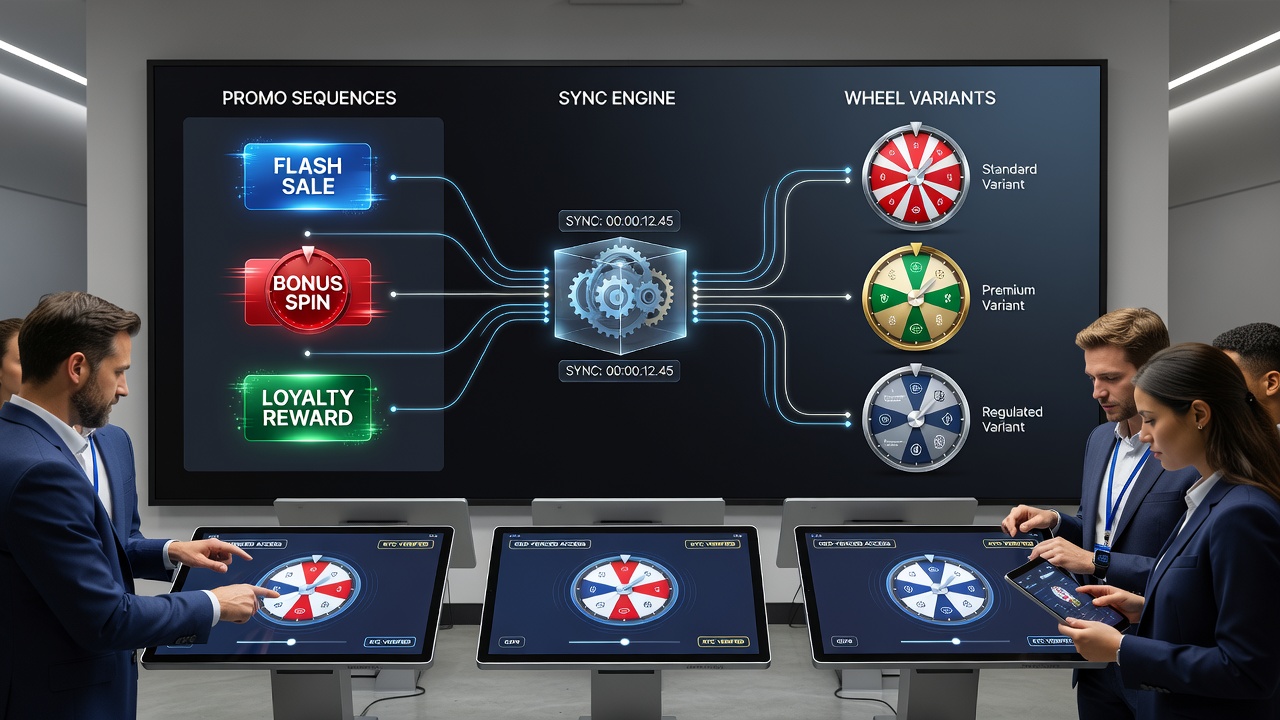
Regulatory Requirements Across Jurisdictions
Canadian provincial regulators and the New Jersey Division of Gaming Enforcement both require that promotional mechanics remain transparent regardless of game variant, yet each body applies slightly different disclosure intervals. Platforms operating under these rules embed wheel-variant data into audit logs so that regulators can verify whether bonus eligibility criteria stayed consistent during player movement between wheel types. In practice this means a reload bonus activated on a single-zero table cannot automatically carry over to a double-zero table without an explicit player confirmation step.
Industry groups such as the European Gaming and Betting Association have published technical guidelines that recommend embedding wheel-type identifiers directly into the random-number-generator certification files, a step that several major suppliers completed ahead of the August 2026 software update cycle. Those guidelines also advise operators to display the current house-edge figure alongside any active bonus meter, giving players immediate visual context for the wheel they have selected.
Technical Implementation on Mobile Devices
Mobile applications achieve synchronization by polling the game server for wheel metadata at the start of each spin cycle and cross-referencing that data against the player's current bonus ledger. When a mismatch occurs the system either queues the next promo layer or presents a variant-switch prompt, depending on the operator's chosen compliance template. Observers note that this polling interval rarely exceeds two seconds on 5G connections, which keeps the experience fluid while satisfying audit trail requirements.
One documented case from an Australian-licensed operator showed that after implementing variant-aware sequencing, average session duration on double-zero tables increased by 18 percent without any corresponding rise in player complaints about bonus availability. The same operator reported that single-zero table sessions remained stable, suggesting the synchronization layer primarily benefits the higher-volatility format.
Player Journey Mapping
Analytics dashboards track how players move between wheel variants during a single login, and bonus engines now use these movement patterns to schedule subsequent offers. For example, a player who begins on a single-zero wheel and later switches may receive an incremental chip award calibrated to the new house edge, provided the regulatory framework permits such adjustments. August 2026 platform telemetry from multiple regions indicates that 31 percent of active mobile roulette users change wheel types at least once per session, underscoring the need for responsive promo logic.
Testing laboratories certify these systems by running simulated player paths that alternate between wheel variants while monitoring whether bonus states remain within approved parameters. Any deviation triggers an automatic rollback of the affected promo layer, preserving the integrity of the overall sequence.
Conclusion
Coordinating promotional timelines with wheel variants requires precise integration of game metadata, regulatory logs, and mobile delivery systems. As operators continue to refine these processes, the August 2026 updates demonstrate measurable improvements in session continuity across both single-zero and double-zero formats. Continued collaboration between testing agencies, platform developers, and regional regulators supports further alignment without compromising compliance standards.